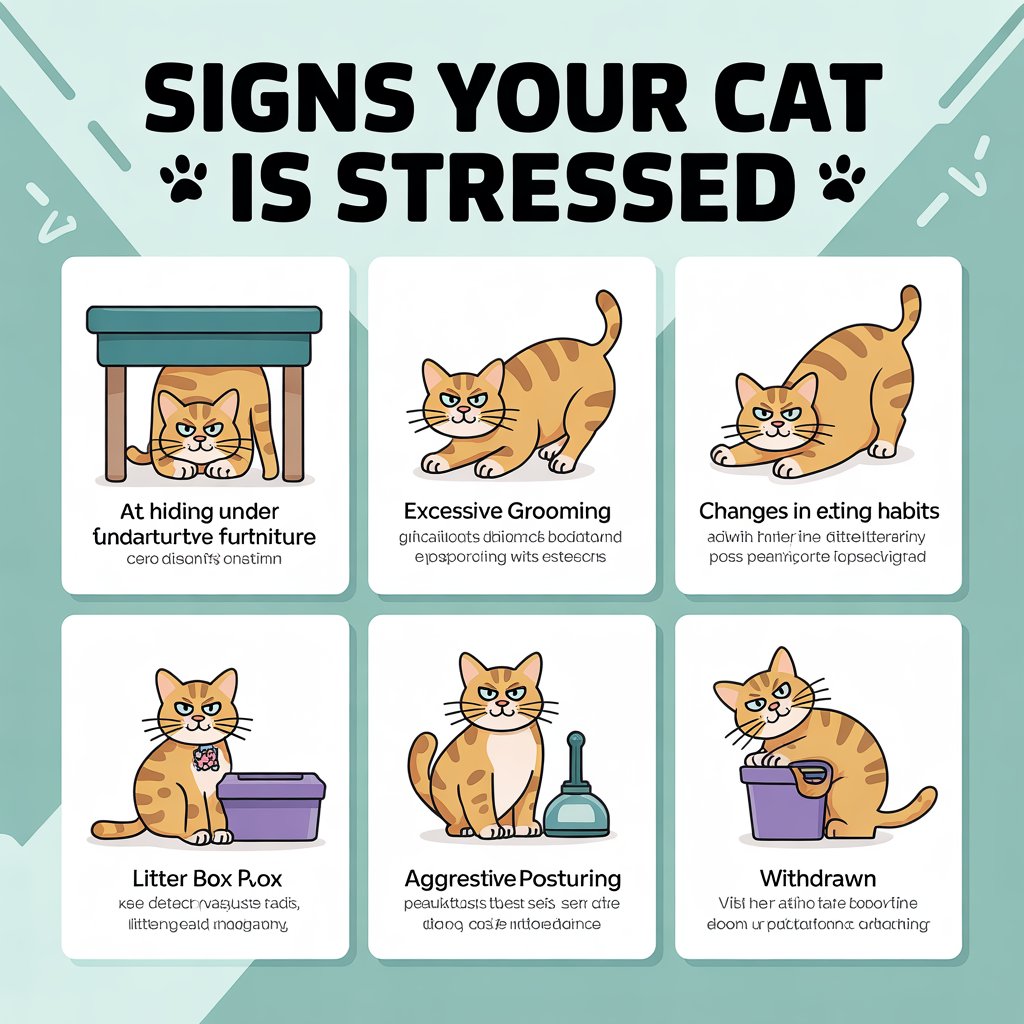
Cats may look calm and independent, but they are extremely sensitive animals. Even small changes in the home, loud noises, unfamiliar people, or health issues can cause stress. When a cat becomes stressed, it starts showing behavioral and physical signs that every pet owner should understand. Recognizing these signs early can prevent bigger problems like aggression, anxiety, destructive behavior, or long-term health issues. This detailed guide will help you identify the most common signs of cat stress, understand why they happen, and learn how to help your cat feel safe, confident, and relaxed again.
1. Sudden Changes in Appetite
One of the first and most common signs of stress in cats is a change in eating habits. A stressed cat may eat much less than usual or stop eating altogether. Some cats may even start overeating to cope with anxiety. If your cat suddenly avoids its food bowl, sniffs the food and walks away, or starts demanding food more often, stress might be the cause. Because appetite changes can also be related to health problems, monitoring your cat closely is important. If the behavior lasts more than a day or two, it’s best to check with your veterinarian.
2. Excessive Grooming or Lack of Grooming
Cats groom themselves naturally to stay clean and feel relaxed. But when stress levels rise, grooming habits change. Many stressed cats start overgrooming, licking one area repeatedly until the fur thins or bald patches appear. Others may stop grooming altogether, causing their coat to look messy, greasy, or knotted. These grooming changes are a direct reflection of emotional tension and should not be ignored.
3. Hiding More Than Usual
If your cat is suddenly spending more time under the bed, behind furniture, inside closets, or in dark corners, it’s a clear sign something is bothering them. Cats may hide due to fear, anxiety, or environmental stress such as new people in the home, loud sounds, other pets, or sudden changes in routine. A confident cat usually explores freely and interacts normally. A stressed cat withdraws and avoids contact.
4. Sudden Aggression or Irritability
Stress can cause even the sweetest cats to show aggression. This may include growling, hissing, swatting, biting, or avoiding people entirely. Cats express fear through defensive aggression, which is often misunderstood by owners. If your cat is suddenly acting moody, grumpy, or unpredictable, stress may be the root cause. This can happen after moving homes, introducing a new pet, changing furniture, or simply altering the cat’s daily routine.
5. Litter Box Problems
One of the most frustrating stress signs for cat owners is inappropriate urination or defecation. A stressed cat may avoid the litter box, pee on furniture, mark territory by spraying walls, or poop outside the box. This behavior is often due to anxiety, changes inside the home, a dirty litter box, or competition with other pets. Before assuming your cat is misbehaving, understand that litter box issues are emotional signals that something is wrong.
6. Vocalizing More Than Normal
Excessive meowing, crying at night, yowling, or loud, repetitive vocalizations are common signs of stress in cats. Some cats become more clingy and meow for attention, while others vocalize out of frustration or fear. If your normally quiet cat suddenly becomes very talkative, it may be seeking comfort or trying to express discomfort.
7. Destructive Behaviors
Scratching furniture, chewing objects, knocking things over, or digging aggressively can be signs of stress. Cats use scratching to release tension, mark territory, and feel secure. When stressed, this behavior becomes stronger and more frequent. Providing scratching posts and safe play options can help redirect this energy.
8. Changes in Sleeping Patterns
Cats sleep a lot—usually between 12 and 16 hours a day. But stressed cats may sleep excessively out of avoidance or wake up more often because they feel unsafe. If your cat suddenly changes its favorite sleeping spot or chooses hidden, hard-to-reach areas, it may not be feeling secure.
9. Loss of Confidence or Sudden Clinginess
Some stressed cats become overly attached to their owners. They may follow you from room to room, meow loudly when you leave, or insist on constant physical contact. This behavior usually indicates insecurity or fear. On the other hand, some cats lose confidence and become shy, avoiding interactions completely.
10. Changes in Body Language
Body language is one of the strongest indicators of stress. Look for:
- Flattened ears
- Tail tucked under the body
- Dilated pupils
- Arched back
- Rapid tail flicking
- Crouched posture
When cats feel stressed, their bodies become tense and alert, ready for self-protection. Recognizing these signals early helps prevent emotional burnout and behavioral problems.
11. Reduced Playfulness or Lack of Energy
Healthy cats enjoy playing and exploring, especially young ones. When stress builds, they lose interest in toys, stop chasing objects, or avoid interactive play. This sudden drop in energy is a warning sign. Mental stress exhausts cats just as much as physical illness.
12. Stress-Related Health Issues
Long-term stress weakens your cat’s immune system and can lead to real health issues such as:
- Vomiting
- Diarrhea
- Hair loss
- Skin irritation
- Respiratory problems
- Loss of weight
If your cat is showing physical symptoms along with behavioral changes, it’s important to address the stress triggers and consult a veterinarian.
How to Reduce Stress in Your Cat
Once you identify stress signs, take steps to make your cat feel safe and comfortable:
- Keep a consistent, calm routine.
- Provide hiding spots, shelves, and elevated resting areas.
- Use pheromone diffusers like Feliway.
- Give your cat dedicated quiet time away from noise and visitors.
- Keep the litter box clean and accessible.
- Provide interactive playtime daily.
- Avoid sudden changes in the home environment.
- Give each pet their own space if you have multiple animals.
Conclusion
Cats communicate stress through behavior, body language, and daily habits. Understanding these signs early helps protect their emotional and physical health. If your cat shows multiple signs of stress, take action right away to create a calmer, safer environment. A relaxed cat is healthier, happier, and more connected to its owner.
Comment here