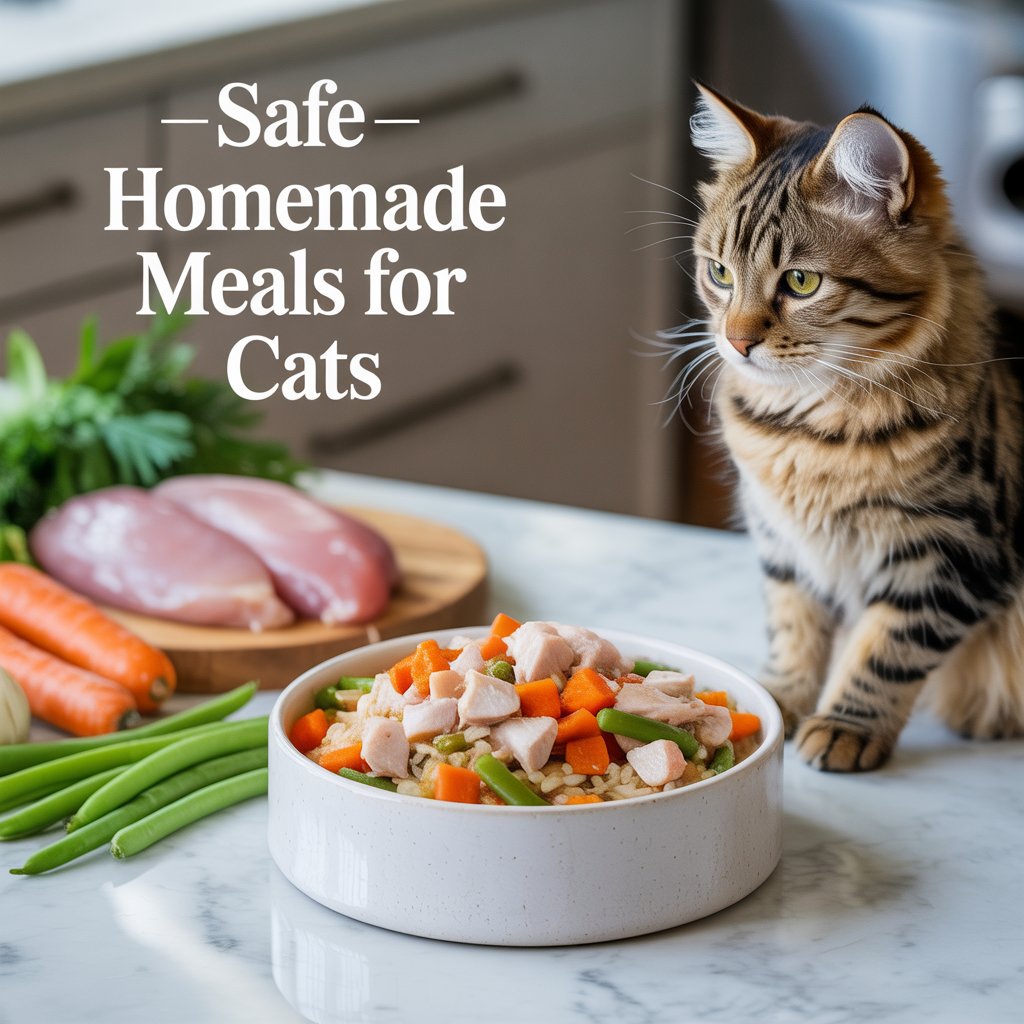
Feeding your cat a safe, balanced, and nutritious homemade meal can be a great way to improve its overall well-being. Many cat owners want healthier alternatives to store-bought foods, especially when their pets struggle with allergies, digestive issues, or sensitivity to preservatives. However, cats have very specific nutritional needs, so preparing homemade meals requires attention, accuracy, and safe ingredient choices. This guide explains everything you need to know about safe homemade meals for cats, including recommended ingredients, foods to avoid, and balanced meal ideas you can prepare at home.
Why Homemade Meals Can Benefit Your Cat
Cats are obligate carnivores, meaning most of their diet should come from animal-based protein. When you prepare meals at home:
- You control ingredients completely
- You avoid additives and fillers
- You ensure fresh, high-quality protein sources
- You adjust recipes based on allergies or sensitivities
- You can support better digestion and shinier coats
However, it’s essential to follow science-based nutritional guidelines to prevent deficiencies.
Nutritional Requirements for Cats
Before creating any homemade meal, it’s important to understand the nutrients cats require every day:
1. High-Quality Animal Protein
Cats need amino acids—especially taurine, which they cannot make on their own. The best protein sources include:
- Chicken breast
- Turkey
- Beef
- Lamb
- Salmon
- Sardines
- Organ meats (heart, liver, kidney)
2. Healthy Fats
Cats use fat as an energy source and for maintaining healthy skin and coat. Safe fats include:
- Salmon oil
- Chicken fat
- Sardine oil
- Flaxseed oil (in small amounts)
3. Limited Carbohydrates
Cats do not need high carbs. Use small amounts only for fiber:
- Pumpkin
- Sweet potatoes
- Carrots
- Green peas
4. Vitamins & Minerals
Cats need:
- Calcium
- Taurine
- B vitamins
- Vitamin E
- Zinc
Homemade meals should always include a supplement approved for cats, as natural foods alone may not provide every nutrient.
Safe Ingredients to Use in Homemade Cat Meals
Best Proteins
- Skinless chicken
- Boneless turkey
- Lean beef
- Salmon (cooked or canned without salt)
- Sardines in water
- Cooked eggs (in moderation)
Safe Vegetables
- Pumpkin puree
- Spinach
- Carrots (cooked)
- Green beans
- Peas
Safe Carbs (Very Small Amounts)
- Cooked oatmeal
- Brown rice
- Sweet potatoes
Ingredients to Avoid (Very Important)
These foods are toxic or unsafe:
- Onion & garlic
- Chocolate
- Grapes & raisins
- Alcohol
- Raw dough
- Raw pork
- Artificial sweeteners (especially xylitol)
- Highly spicy or oily foods
- Dairy products for lactose-intolerant cats
- Too much liver (risk of vitamin A toxicity)
Avoiding these ensures your cat stays safe from poisoning or digestive distress.
How to Prepare Safe Homemade Meals
Follow these essential steps:
1. Always Cook the Meat
Raw food can carry bacteria like salmonella. Cook thoroughly unless you follow a veterinarian-approved raw diet plan.
2. Remove All Bones
Cooked bones can break and cause choking or internal injury.
3. Use Minimal Seasonings
Cats do not need salt, spices, or flavors. Plain cooking is best.
4. Balance Protein With Supplements
A homemade diet lacking supplements can cause long-term health issues.
5. Introduce New Meals Slowly
Mix homemade food with regular food for 7–10 days to avoid stomach issues.
Simple & Safe Homemade Meal Ideas for Cats
⭐ 1. Chicken & Pumpkin Digestive Meal
Perfect for: cats with sensitive stomachs
Ingredients:
- 1 cup cooked shredded chicken
- 2 tbsp pumpkin puree
- 1 tsp salmon oil
Instructions:
Mix all ingredients and serve warm. Pumpkin supports digestive health and reduces constipation.
⭐ 2. Salmon & Veggie Bowl
Perfect for: shiny coat and skin health
Ingredients:
- ½ cup cooked salmon
- 1 tbsp cooked carrot mash
- 1 tsp sardine oil
Instructions:
Combine ingredients and mix well. Salmon provides omega-3 fatty acids.
⭐ 3. Turkey & Sweet Potato Energy Meal
Perfect for: active cats needing extra calories
Ingredients:
- 1 cup cooked turkey
- 2 tbsp sweet potato mash
- ½ tsp olive oil
Instructions:
Mix thoroughly and let cool before serving.
⭐ 4. Beef & Rice Homemade Cat Dinner
Perfect for: cats transitioning from commercial food
Ingredients:
- ½ cup lean ground beef (cooked)
- 1 tbsp cooked brown rice
- 1 tsp tuna water for flavor
Instructions:
Mix everything well and serve fresh.
⭐ 5. Egg & Chicken Protein Mix
Perfect for: boosting protein intake
Ingredients:
- 1 scrambled egg (plain)
- 2 tbsp shredded chicken
- 1 tsp fish oil
Instructions:
Mix and serve slightly warm. Eggs should always be cooked.
How Often Should You Feed Homemade Meals?
Most veterinarians suggest feeding homemade meals:
- Once a day as a supplement, OR
- Full-time only if the diet is balanced with supplements
If you feed homemade meals daily, always use a vet-approved cat supplement containing:
- Taurine
- Calcium
- Vitamin E
- Omega fatty acids
This ensures your cat stays healthy long term.
Signs Homemade Meals Are Working Well
Your cat should show:
- Shinier coat
- Better energy
- Improved digestion
- Increased hydration
- Better weight control
If your cat develops vomiting, diarrhea, or low energy, adjust the recipe or consult your vet.
Conclusion
Preparing safe homemade meals for your cat is an excellent way to ensure they receive fresh and nutritious ingredients. By using high-quality proteins, avoiding toxic foods, and balancing meals with essential nutrients, you can provide healthy and safe food that supports your cat’s long-term well-being. Whether your cat needs help with digestion, skin health, or appetite, these recipes offer a simple and natural solution. Always remember to consult your veterinarian before switching to a full homemade diet, and introduce changes gradually for best results.
Comment here