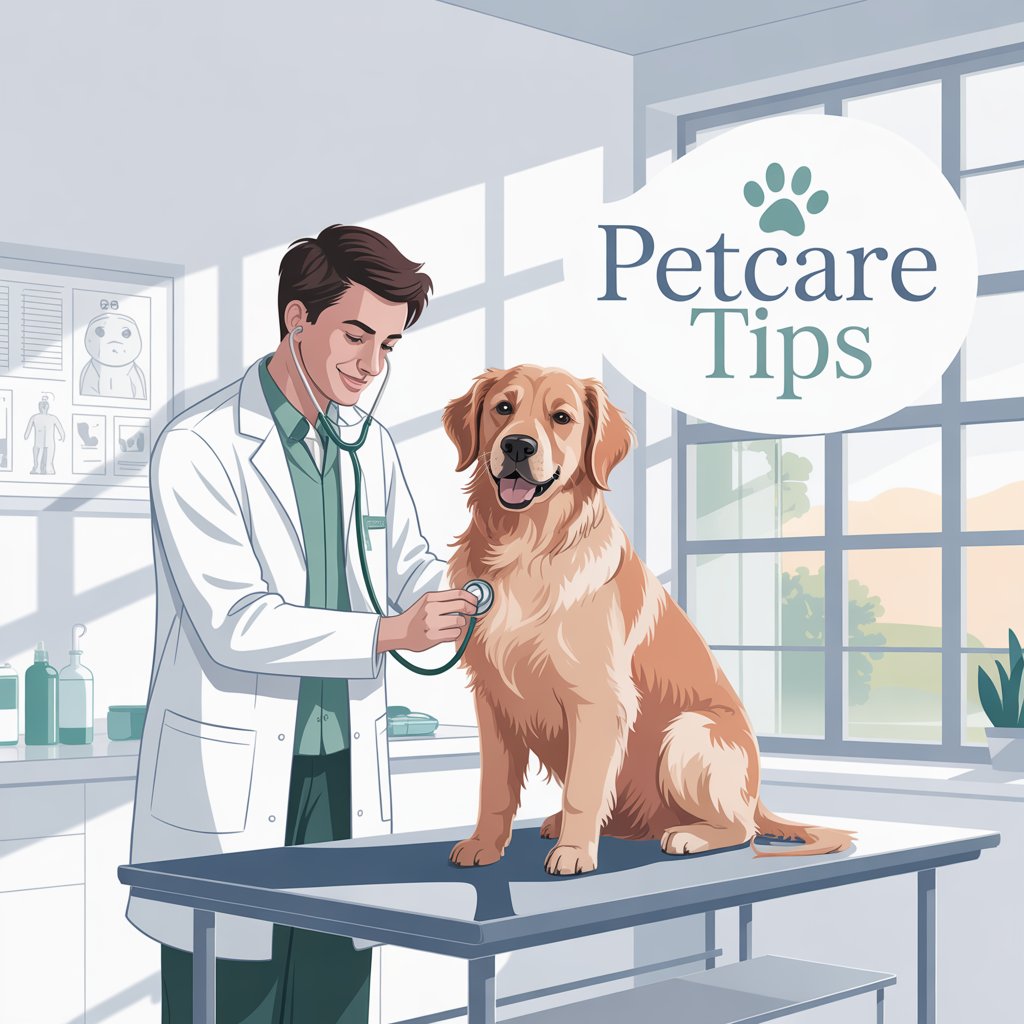
Regular vet visits are one of the most important steps in keeping your pet healthy, safe, and protected from preventable diseases. Many pet owners only visit the veterinarian when their pets show signs of illness, but routine checkups play a much bigger role. They help detect early health issues, ensure your pet’s vaccinations are up to date, support proper nutrition, and provide guidance on your pet’s overall well-being.
This detailed guide explains why regular vet visits matter, what happens during a checkup, how often you should schedule appointments, and how preventive care can add years to your pet’s life.
Why Regular Vet Visits Are Important
Veterinarians don’t just treat sick pets—they help prevent illnesses before they start.
1. Early Disease Detection
Many diseases show early signs that are invisible to pet owners. Vets can detect:
- Kidney issues
- Heart problems
- Thyroid disorders
- Diabetes
- Skin infections
- Dental disease
Early detection means early treatment—and better outcomes.
2. Vaccination Protection
Vaccinations protect pets from dangerous diseases such as:
- Rabies
- Parvovirus
- Distemper
- Feline leukemia
- Bordetella
Keeping vaccinations up to date is essential for your pet’s safety.
3. Parasite Prevention
Routine vet visits ensure your pet is protected from:
- Fleas
- Ticks
- Heartworms
- Intestinal worms
These parasites can cause serious health issues if not managed early.
4. Nutrition & Weight Management
A healthy weight supports your pet’s joints, heart, digestion, and overall vitality. Vets provide personalized diet plans based on age, breed, lifestyle, and health needs.
5. Dental Health Monitoring
Dental disease is common and painful. Regular visits help prevent:
- Tooth decay
- Gum infection
- Bad breath
- Organ complications from bacteria
6. Behavior Guidance
Vets help with:
- Anxiety
- Aggression
- Training
- Socialization
Many behavior issues have medical causes that can be identified early.
7. Senior Pet Care
Older pets require more frequent monitoring for:
- Arthritis
- Vision/hearing loss
- Organ function
- Joint health
Regular vet visits ensure aging pets stay comfortable and healthy.
How Often Should You Take Your Pet to the Vet?
The frequency of vet visits depends on your pet’s age, health, and lifestyle.
1. Puppies and Kittens
Need visits every 3–4 weeks until 4–6 months of age.
These visits include:
- Vaccinations
- Deworming
- Growth monitoring
- Nutritional guidance
2. Adult Pets (1–7 years)
Require a wellness exam once a year.
The annual checkup includes:
- Physical exam
- Vaccination boosters
- Parasite control
- Dental assessment
- Bloodwork (optional but recommended)
3. Senior Pets (7+ years)
Need checkups every 6 months, because aging pets:
- Develop diseases faster
- Show subtle symptoms
- Need blood tests more often
Regular monitoring increases life expectancy.
What Happens During a Routine Vet Visit?
An annual or semi-annual exam covers several important health checks.
1. Physical Examination
The vet checks:
- Skin & coat
- Eyes and ears
- Teeth & gums
- Heart and lungs
- Abdomen
- Weight
- Temperature
This helps detect early signs of illness.
2. Vaccinations
Based on your pet’s lifestyle, the vet administers:
- Core vaccines
- Non-core vaccines (optional)
These protect against life-threatening diseases.
3. Parasite Prevention Check
The vet reviews:
- Flea & tick prevention
- Heartworm medication
- Intestinal worm control
Routine tests may include:
- Fecal exam
- Heartworm test
4. Dental Evaluation
Vets check for:
- Tartar buildup
- Gum disease
- Loose teeth
- Oral pain
Dental cleanings may be recommended.
5. Bloodwork & Urine Tests
These tests help detect:
- Kidney problems
- Liver disease
- Diabetes
- Thyroid disorders
- Infections
Bloodwork is especially important for senior pets.
6. Weight & Nutrition Assessment
Your vet will:
- Check weight changes
- Recommend diet adjustments
- Suggest supplements if needed
Nutrition plays a major role in skin health, digestion, and energy levels.
7. Behavior & Lifestyle Discussion
You can discuss:
- Anxiety
- Hyperactivity
- Aggression
- Socialization issues
- Exercise needs
This helps create a balanced lifestyle for your pet.
Signs Your Pet Needs an Immediate Vet Visit
Even with regular checkups, some symptoms require urgent attention.
Watch for:
- Loss of appetite
- Vomiting or diarrhea
- Excessive thirst
- Limping
- Coughing
- Lethargy
- Skin sores
- Difficulty breathing
- Sudden behavior changes
Prompt care can prevent complications.
How to Prepare Your Pet for a Vet Visit
A little preparation makes vet visits easier.
1. Bring Medical Records
Vaccination history, medication list, previous diagnoses.
2. Use a Comfortable Carrier or Leash
Safety is important for both pets and staff.
3. Bring a Familiar Blanket or Toy
Helps reduce anxiety during the visit.
4. Write Down Questions
Make sure you don’t forget important concerns.
5. Bring Stool or Urine Samples (If Requested)
Benefits of Preventive Vet Care
Preventive care saves pets from suffering and saves owners from costly treatments.
1. Longer Lifespan
Pets monitored regularly live longer, healthier lives.
2. Lower Health Risks
Early detection reduces disease progression.
3. Cost Savings
Treating an illness early is far cheaper than treating it late.
4. Better Quality of Life
Healthy pets enjoy:
- More energy
- Better mobility
- Less discomfort
Vet Visits Based on Pet Type
Different pets have different needs.
Dogs
Need regular:
- Vaccines
- Heartworm tests
- Flea/tick prevention
- Dental exams
Large breeds need extra screening for joint health.
Cats
Often hide illness, so vet visits are essential.
Need:
- Kidney monitoring
- Dental care
- Parasite control
- Weight checks
Indoor cats also require vaccinations.
How Regular Vet Visits Improve Behavior
Behavior and health are connected. Pets may act out when:
- In pain
- Stressed
- Unwell
Vets can identify medical issues behind behavior, helping improve:
- Socialization
- Training
- Confidence
Conclusion
Regular vet visits are one of the most important responsibilities of pet ownership. They ensure your pet stays protected, healthy, happy, and comfortable at every stage of life. Routine exams help detect diseases early, maintain proper nutrition, prevent parasite problems, and monitor dental care. Whether your pet is a playful puppy, a curious cat, or a senior companion, consistent veterinary care can add years of health and joy to their life.
A healthy pet starts with prevention—and a trusted veterinarian is your pet’s best partner in long-term wellness.
Comment here