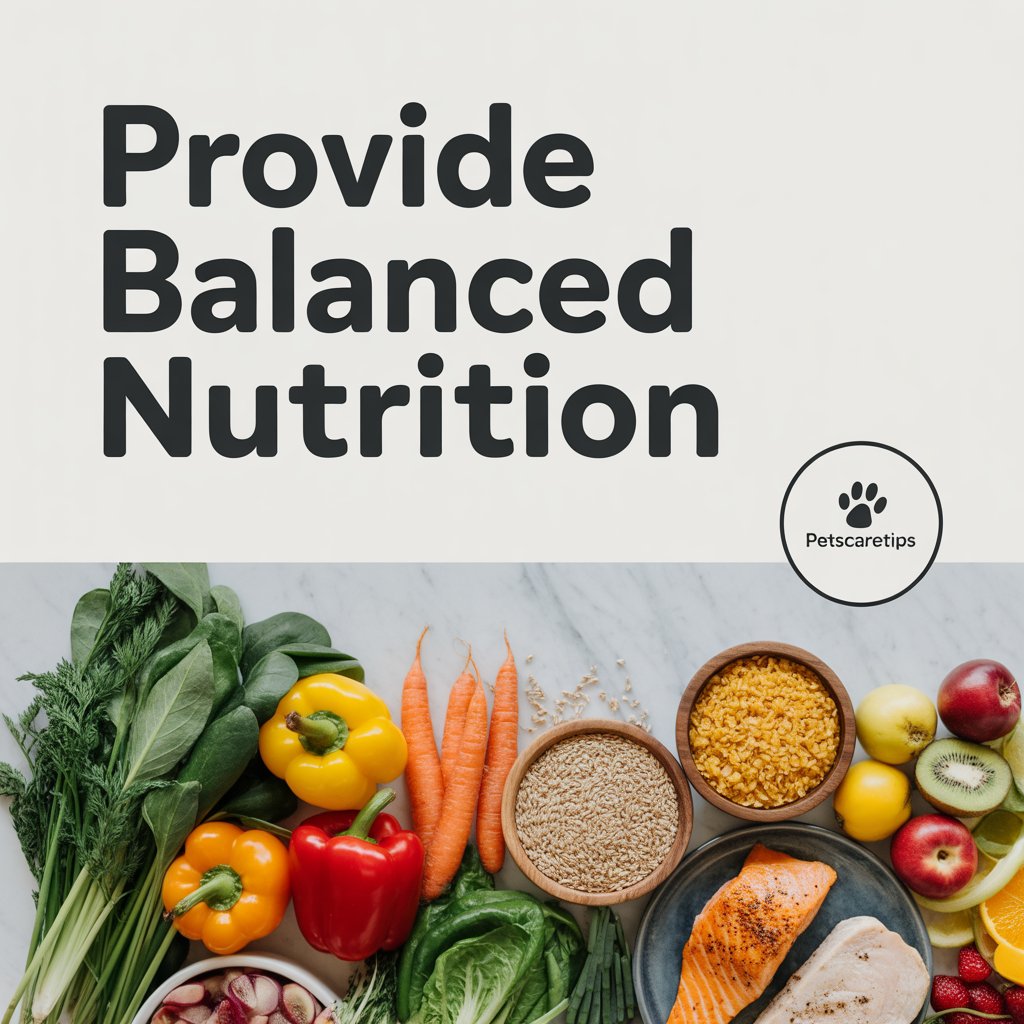
Balanced nutrition is the foundation of your pet’s long-term health, energy levels, immunity, and overall happiness. Whether you have a dog, cat, or multiple pets at home, what you feed them plays a crucial role in how they grow, how well they fight diseases, and how active they remain throughout their life. Many pet owners think feeding any commercial food is enough—but the truth is, not all diets provide complete or balanced nutrition.
A well-balanced diet ensures that pets receive the right combination of proteins, fats, carbohydrates, vitamins, and minerals. When one component is missing or provided in excess, it impacts their digestive health, skin, coat, weight, and even behavior.
In this guide, you’ll learn everything about balanced nutrition for pets—what nutrients they need, how to choose the right food, what to avoid, and how to ensure your pet stays healthy through proper feeding practices.
Why Balanced Nutrition Matters for Pets
Just like humans, pets thrive when they receive the correct nutrients in the right amounts. Here are key reasons balanced nutrition is so important:
1. Healthy Growth and Development
Young pets—like puppies and kittens—need extra nutrients for bone development, muscle growth, and organ function.
2. Strong Immune System
A nutrient-rich diet supports immune cells, helping pets resist infections and illnesses.
3. Proper Digestion
Balanced meals promote a healthy gut, reducing risks like diarrhea, constipation, or vomiting.
4. Shiny Coat & Healthy Skin
Healthy fats and vitamins improve coat shine, reduce shedding, and keep skin moisturized.
5. Healthy Weight Management
Balanced nutrition prevents overeating, obesity, and related health issues like diabetes.
6. Increased Energy & Longevity
Pets with balanced diets have better stamina, stronger bones, and improved overall life quality.
Understanding What Balanced Nutrition Means
Balanced nutrition doesn’t mean feeding your pets the same food every day. It means offering a diet that includes all essential nutrients in appropriate proportions.
Pets mainly need:
- Protein
- Healthy fats
- Carbohydrates
- Vitamins
- Minerals
- Water
Dogs and cats have different nutritional needs, so their diets must be tailored accordingly.
Balanced Nutrition for Dogs
Dogs are omnivores—they need a mix of meat, vegetables, and healthy carbs. A dog’s diet should include:
1. Protein (40–50%)
Protein supports:
- Muscle growth
- Tissue repair
- Strong immune function
Best protein sources for dogs include:
- Chicken
- Turkey
- Beef
- Salmon
- Sardines
- Eggs
- Lamb
2. Healthy Fats (10–20%)
Fats provide:
- Energy
- Omega-3 and omega-6 fatty acids
- Skin and coat support
Good fat sources include:
- Fish oil
- Chicken fat
- Flaxseed oil
3. Carbohydrates (20–30%)
Carbs are important for energy and digestion.
Safe carbohydrate sources include:
- Sweet potatoes
- Brown rice
- Pumpkin
- Oats
- Quinoa
4. Vitamins & Minerals
Essential for bone strength, immunity, and metabolism.
Dogs need:
- Vitamin A
- B-vitamins
- Calcium
- Magnesium
- Iron
5. Water
A dog should have access to clean, fresh water at all times.
Balanced Nutrition for Cats
Cats are obligate carnivores—they depend mainly on meat for survival. Their diet should be rich in protein and fats, with little to no carbohydrates.
1. Animal Protein (70–80%)
Cats need high-quality protein for:
- Muscle health
- Heart function
- Energy levels
Best protein sources for cats include:
- Chicken (especially thighs)
- Turkey
- Fish (in moderation)
- Beef
- Organ meats (liver, heart)
2. Taurine (Essential for Cats)
Taurine is a crucial amino acid that cats cannot produce on their own.
It supports:
- Heart function
- Vision
- Digestion
- Reproductive health
3. Healthy Fats (10–20%)
Fats help cats maintain:
- Energy
- Skin and coat quality
- Immune health
4. Very Low Carbohydrates
Cats do not process carbs efficiently.
Limit or avoid:
- Grains
- Starches
- Sugary foods
5. Vitamins & Minerals
Cats need:
- Vitamin A
- Calcium
- Iron
- B vitamins
Because cats drink less water naturally, wet food is beneficial for hydration.
Choosing the Right Food for Balanced Nutrition
To ensure your pet receives all necessary nutrients, choose foods wisely. You can feed:
- Commercial pet food
- Homemade food
- A mix of both
Each option has benefits when done correctly.
1. Commercial Pet Food (Choosing High Quality)
Not all commercial pet foods are equal. When choosing packaged food:
Look for:
- “Complete & Balanced” on the label
- Clear protein sources (e.g., chicken, turkey, salmon)
- No artificial preservatives
- No fillers like corn, soy, or wheat
- Limited ingredient formulas for sensitive pets
Avoid:
- Meat by-products (not clearly named)
- Color dyes
- Low-quality grains
- Excess carbohydrates
Tip: Always check the ingredients list—if protein isn’t the first ingredient, avoid it.
2. Homemade Meals (Vet-Approved Approach)
Homemade pet food offers freshness and full ingredient control, but it must be prepared correctly.
Guidelines for making balanced homemade meals:
- Use lean meats
- Add pet-safe vegetables (dogs only)
- Include healthy fats like fish oil
- Add vitamins and mineral supplements if needed
- Avoid toxic foods like onions, garlic, grapes, and chocolate
For cats, homemade diets must include taurine, usually found in heart meat.
3. Combination Feeding
Many pet owners combine:
- Dry food for dental health
- Wet food for hydration
- Fresh food or treats for nutrition boosts
This approach provides variety while ensuring balanced nutrition.
Common Nutritional Mistakes Pet Owners Make
Even with good intentions, some owners mistakenly feed incorrectly.
1. Overfeeding treats
Too many treats cause obesity.
2. Feeding human foods that are unsafe
Some human foods are toxic for pets.
3. Giving unbalanced homemade meals
Without supplements, homemade food may miss essential nutrients.
4. Ignoring portion control
Each pet has a different calorie requirement.
5. Not checking food labels
Cheap commercial foods often contain fillers and low-quality proteins.
Avoiding these mistakes helps maintain long-term health.
Signs Your Pet Is Eating a Balanced Diet
A well-fed pet will show:
- Shiny, smooth coat
- Healthy skin
- Bright eyes
- Higher energy levels
- Good digestion
- Ideal weight
- Strong teeth and gums
If your pet has dull fur, low appetite, or digestive issues, its diet may need improvement.
How to Transition to a Better Diet Safely
Change your pet’s food slowly to avoid stomach issues.
Transition Schedule (7 Days)
- Days 1–2: 75% old food, 25% new food
- Days 3–4: 50% old, 50% new
- Days 5–6: 25% old, 75% new
- Day 7: 100% new food
This gradual method prevents vomiting, diarrhea, and food refusal.
Tips for Maintaining Balanced Nutrition Long Term
To ensure your pet stays healthy:
1. Visit the Vet Regularly
Ask for diet-specific suggestions based on:
- Age
- Breed
- Weight
- Activity level
2. Adjust Diet as Pets Age
Seniors need fewer calories but more nutritional support.
3. Use Supplements When Needed
Helpful supplements:
- Omega-3 fatty acids
- Probiotics
- Multivitamins
- Taurine for cats
- Glucosamine for older dogs
4. Portion Control
Follow feeding guidelines and maintain an ideal weight.
5. Provide Clean Water Daily
Hydration is essential for digestion and organ function.
Conclusion
Providing balanced nutrition for your pet is one of the most valuable gifts you can offer. It keeps their body strong, boosts immunity, prevents diseases, and enhances their quality of life. By understanding what nutrients your pet needs, choosing high-quality foods, avoiding harmful ingredients, and maintaining good feeding habits, you can ensure your pet lives a long, healthy, happy life.
Comment here