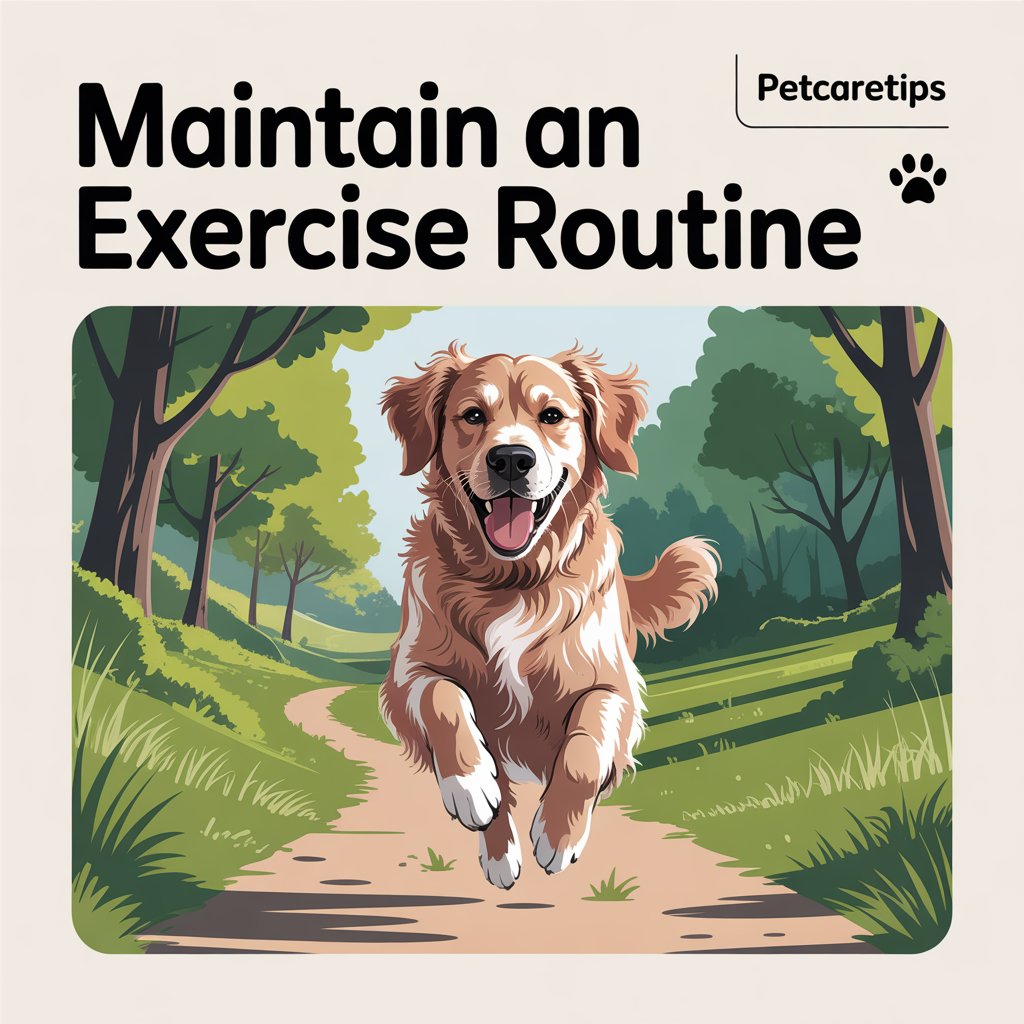
Regular exercise is one of the most important foundations of good pet health. Just like humans, pets thrive when they stay active. An appropriate exercise routine helps maintain a healthy weight, improves mood, strengthens muscles, and supports long-term wellness. Whether you have a dog, cat, or small pet, daily movement plays a major role in preventing disease, boosting energy, and ensuring a happy, balanced life.
This complete guide will help you create a safe, effective, and enjoyable exercise routine for your pet, with vet-approved tips and practical ideas suitable for all breeds, ages, and activity levels.
Why Exercise Is Essential for Pets
Many pet owners underestimate how important physical activity is. Exercise benefits more than just physical health—it supports emotional well-being, confidence, and overall behavior.
1. Controls Weight
Exercise burns calories, prevents obesity, and supports a lean body.
2. Strengthens Muscles and Joints
Movement keeps muscles toned, supports joint flexibility, and reduces the risk of arthritis.
3. Improves Heart and Lung Health
Regular activity supports a strong cardiovascular system and better stamina.
4. Enhances Mental Stimulation
Exercise reduces boredom, which helps prevent destructive behavior and anxiety.
5. Boosts Immunity
Active pets have stronger immune systems and better long-term health.
6. Encourages Better Behavior
A tired pet is a happy pet. Exercise helps reduce:
- Excessive barking
- Aggression
- Chewing or scratching
- Hyperactivity
How Much Exercise Does Your Pet Need?
Different pets—and even different breeds—have different exercise needs. Understanding your pet’s requirements is key to creating a balanced routine.
Exercise Needs for Dogs
Small Breeds
Chihuahuas, Pomeranians, Yorkies, and similar breeds need:
- 20–40 minutes daily
They enjoy indoor play and short walks.
Medium Breeds
Beagles, Bulldogs, Cocker Spaniels:
- 45–60 minutes daily
Large Breeds
Labradors, German Shepherds, Huskies:
- 1–2 hours daily
They require more intense physical activity.
Working Breeds
Border Collies, Belgian Malinois, Australian Shepherds:
- 2+ hours daily, including mental stimulation.
Exercise Needs for Cats
Cats may not enjoy traditional walks, but they still need movement.
Indoor cats need:
- 20–30 minutes of active play daily
Outdoor cats naturally meet exercise requirements through exploring, climbing, and hunting behaviors.
Exercise Needs for Senior Pets
Older pets need gentle, low-impact workouts:
- Short walks
- Light play
- Stretching
- Slow indoor games
Exercise helps seniors maintain mobility and prevent stiffness.
Types of Exercises for Dogs
Dogs enjoy a variety of activities. The key is to keep sessions fun, safe, and consistent.
1. Daily Walks
The foundation of dog exercise. Walks support:
- Mental stimulation
- Weight control
- Socialization
2. Fetch & Retrieve Games
Boosts speed, stamina, and muscle strength. Best for:
- Labradors
- Retrievers
- Active breeds
3. Tug-of-War
Good for bonding and muscle building. Always play gently and safely.
4. Swimming
A low-impact exercise ideal for:
- Senior dogs
- Overweight pets
- Dogs with joint issues
5. Agility Training
Obstacle courses help with:
- Coordination
- Strength
- Obedience
6. Hiking
Great for adventurous dogs and confidence building.
7. Indoor Activities
Useful during bad weather:
- Hide-and-seek
- Stairs exercise
- Puzzle toys
Types of Exercises for Cats
Cats need activities that stimulate natural hunting instincts.
1. Wand Toys & Teasers
Encourage jumping, chasing, and pouncing.
2. Laser Games
Excellent for high-energy play, but always end with a real toy catch.
3. Food Puzzle Toys
Stimulate both body and mind.
4. Climbing Towers
Cats love height. Cat trees support stretching and climbing.
5. Fetching Small Toys
Some cats enjoy retrieving soft balls or mice.
6. Interactive Play Sessions
Short, frequent play times work best.
How to Create an Exercise Routine for Your Pet
A structured routine ensures your pet stays active consistently.
1. Choose Activities Your Pet Enjoys
Every pet has preferences. Observe what makes them excited.
2. Start Slowly
If your pet is:
- Overweight
- Senior
- Recovering from illness
Begin with gentle, short sessions.
3. Mix Physical and Mental Stimulation
Combine:
- Walks
- Obedience training
- Food puzzles
- Play sessions
Mental exercise tires pets faster than physical activity.
4. Set a Daily Schedule
Consistency helps pets anticipate activity times and stay motivated.
5. Monitor Your Pet’s Energy Levels
If your pet appears tired, slow down. If they stay overly active, increase intensity.
6. Adjust According to Weather
Hot weather requires:
- Shorter sessions
- Early morning or evening walks
- Plenty of water
Cold weather requires:
- Indoor play
- Protected paws
Safety Tips for Exercising Pets
Exercising should always be safe and comfortable.
1. Check the Surface Temperature
Hot pavement can burn paws—always test with your hand.
2. Avoid Overexertion
Watch for signs like:
- Excessive panting
- Drooling
- Slowing down
- Limping
3. Don’t Exercise After Large Meals
Prevent bloating or digestion issues.
4. Keep Hydration Ready
Always carry fresh water during walks.
5. Use Safe Equipment
For dogs:
- Correct harness
- Strong leash
- Proper-fitting collar
For cats:
- Cat-safe harness
- Lightweight leash
Exercising Pets With Special Needs
Some pets need modified routines.
Overweight Pets
- Begin with slow walks
- Increase duration gradually
- Avoid jumping activities
Pets with Joint Problems
- Swimming
- Soft surfaces
- Short, gentle walks
Brachycephalic Breeds (Pugs, Bulldogs)
- Avoid heat
- Keep sessions short
- Do low-intensity exercises
Senior Pets
- Slow-paced activities
- Short play sessions
- Balance exercises
Benefits of a Long-Term Exercise Routine
Keeping your pet active isn’t just about today—it’s about lifelong health.
Physical Benefits
- Stronger bones
- Better digestion
- Improved immunity
- Healthy body weight
Mental Benefits
- Reduced stress
- Improved mood
- Better sleep
- Lower anxiety
Behavioral Benefits
- Less destructive habits
- More discipline
- Stronger bond with owner
Conclusion
Maintaining a regular exercise routine is one of the best gifts you can give your pet. Whether through daily walks, play sessions, mental challenges, or gentle movements for seniors, consistent activity enhances every part of a pet’s life. The key is understanding your pet’s needs, choosing suitable exercises, and keeping sessions safe and enjoyable.
A well-exercised pet is healthier, happier, and more balanced—and your relationship with them becomes stronger every day.
Comment here