v
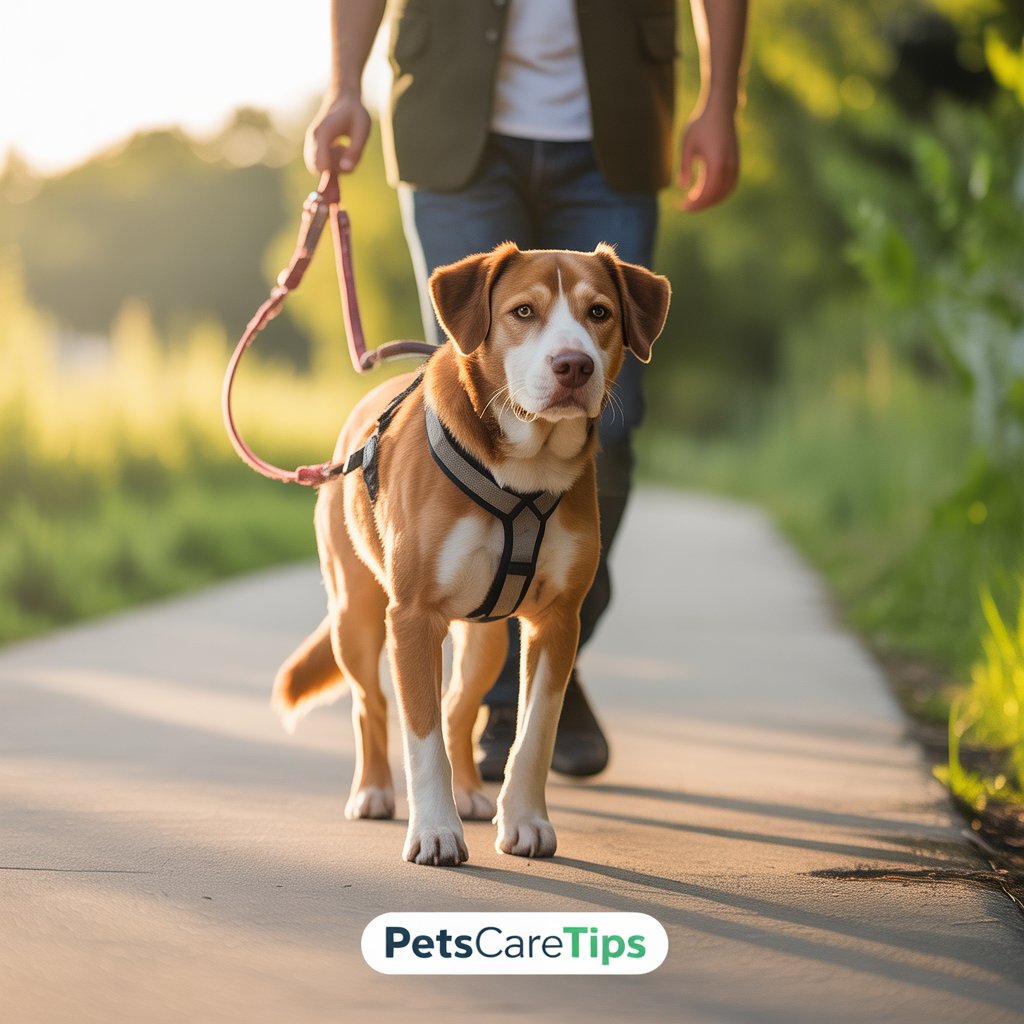
Leash training is one of the most important skills every pet should learn. Whether you’re walking a playful puppy, an energetic adult dog, or even a confident leash-trained cat, calm and controlled walking is essential for safety, comfort, and a positive outdoor experience. Pets are naturally curious, and without proper training, walks can become stressful—pulling, lunging, or stopping frequently.
This complete step-by-step guide will teach you gentle, effective, and proven techniques to help your pet walk calmly on a leash. The methods are safe, positive, and suitable for all pets.
Why Leash Training Matters
Walking your pet is more than just exercise—it’s mental stimulation, social exposure, and bonding time.
1. Ensures Safety
Proper leash behavior prevents:
- Pulling into traffic
- Running away
- Getting tangled
- Chasing animals
2. Improves Control
Calm walking gives you better control during busy or noisy environments.
3. Strengthens Obedience
Leash training helps your pet:
- Respond to commands
- Focus despite distractions
- Walk with confidence
4. Enhances Outdoor Enjoyment
A calm walk is enjoyable for both the pet and the owner.
Before You Begin: Training Essentials
Good training starts with the right preparation.
1. Choose the Right Equipment
- Harness (recommended): Reduces pulling and prevents neck strain
- Front-clip harness: Helps redirect pulling
- Flat leash: 4–6 feet is ideal for control
- Avoid retractable leashes: They encourage pulling and reduce control
2. Pick a Training Environment
Start indoors or in a quiet yard before practicing in distracting areas.
3. Use High-Value Rewards
Pets respond faster to:
- Soft treats
- Favorite toys
- Praise and play
4. Keep Sessions Short
5–10 minutes is enough, especially for beginners.
Understanding Why Pets Pull on the Leash
Before you teach calm walking, know the reasons behind pulling:
Common Causes:
- Excitement
- Curiosity
- Wanting to explore new smells
- Lack of training
- Too much energy
- Fear or anxiety in new areas
Leash training solves these issues progressively.
Step-by-Step Leash Training Guide
Below is a structured, easy-to-follow method for teaching calm leash walking.
Step 1: Introduce the Leash and Harness Calmly
Let your pet get familiar with the equipment before starting.
How to Introduce It:
- Let your pet sniff the leash and harness.
- Reward calm interest.
- Put the harness on for short periods indoors.
- Allow your pet to walk around freely.
This builds comfort and reduces anxiety.
Step 2: Teach “Focus” or “Look at Me”
A calm walk starts with your pet paying attention to you.
Training Steps:
- Hold a treat near your eyes.
- Say “Look” or “Focus.”
- When your pet makes eye contact, reward immediately.
- Repeat until your pet responds reliably.
This skill will help during distractions outdoors.
Step 3: Practice Indoor Walking First
Indoor environments have fewer distractions.
How to Begin:
- Clip the leash and walk slowly around the room.
- Reward your pet for walking beside you.
- Stop moving if your pet pulls.
- Resume walking when they return to your side.
This builds the foundation of calm behavior.
Step 4: Use the “Stop and Go” Method
This technique teaches your pet that pulling does not get them closer to what they want.
How It Works:
- Start walking.
- If your pet pulls—stop immediately.
- Stand still and wait.
- When your pet returns or loosens the leash, reward and walk again.
Pets learn quickly:
Pulling = No movement.
Calm walking = Rewarded movement.
Step 5: Teach the “Heel” or Loose-Leash Position
You don’t need a strict heel—just a calm walk beside you.
Training Steps:
- Keep your pet on one side (left is traditional).
- Hold treats in the hand closest to your pet.
- Take a few steps and reward for staying beside you.
- Gradually increase distance.
- Celebrate calm walking with praise.
Consistency, not strictness, makes this work.
Step 6: Introduce Outdoor Practice
Once your pet succeeds indoors, move outdoors.
Start With:
- Your yard
- A quiet street
- A low-traffic park
Training Tips:
- Begin with short walks
- Reward frequently
- Avoid crowded areas at first
- Keep your tone calm and encouraging
Your pet needs time to adjust to smells, sounds, and new sights.
Step 7: Use Treats Strategically
Treats motivate pets to stay close and walk politely.
Best Practices:
- Reward calm walking every few steps (at first)
- Gradually reduce treat frequency
- Switch to verbal praise and petting
Treats should guide behavior, not bribe.
Step 8: Teach “Leave It” for Distractions
Distractions like other dogs, birds, or noises can interrupt training.
Training Steps:
- Hold a treat in both hands.
- Show one treat and say “Leave it.”
- When your pet turns away from the treat, reward with the treat from the other hand.
- Practice until your pet responds consistently.
Use this command during walks to ignore distractions.
Step 9: Guide Your Pet During Exciting Moments
Pets often pull when they see something interesting.
What to Do:
- Use “Look at me” to redirect attention
- Move backward to regain focus
- Increase distance from the distraction
- Reward calm behavior immediately
Avoid pulling the leash—it creates tension and increases pulling.
Step 10: Practice Daily for Best Results
Short, consistent walks every day build strong habits.
Consistency Tips:
- Walk at the same times daily
- Keep training cues the same
- Gradually add new environments
- Stay patient and calm
Pets learn through repetition and routine.
Special Tips for Dogs
1. Start Walking After Energy Release
Play for 5–10 minutes before leash training.
2. Avoid Overstimulating Walks Early
Too many new experiences cause pulling.
3. Reward Often in the Beginning
Dogs need clear encouragement.
Special Tips for Cats
Yes—cats can be leash trained too!
How to Make It Easy:
- Use a soft, comfortable harness
- Let your cat explore indoors with the leash
- Start outdoor adventures in small, quiet spaces
- Allow the cat to lead at their pace
- Keep sessions short and safe
Cats respond best to patience and gentle encouragement.
Common Leash Training Mistakes to Avoid
Avoid these mistakes to ensure faster progress.
1. Pulling the Leash
Creates tension and teaches your pet to resist.
2. Using Retractable Leashes
Pets learn to pull because the leash extends.
3. Not Rewarding Good Behavior
Pets need clear signals of success.
4. Training in Busy Areas Too Soon
Start simple, gradually increase difficulty.
5. Punishing or Yelling
This increases fear and slows learning.
How Long Does Leash Training Take?
Training time varies depending on:
- Age
- Energy levels
- Past experiences
- Consistency
- Personality
Most pets learn loose-leash walking in 2–6 weeks with steady practice.
When to Seek Professional Help
You may need a trainer if your pet:
- Lunges at dogs or people
- Shows aggressive behavior
- Has strong anxiety outdoors
- Pulls heavily despite training
A certified trainer or behavior specialist can help create a personalized plan.
Conclusion
Leash training doesn’t have to be stressful. With patience, positive reinforcement, and consistent practice, your pet can learn to walk calmly and confidently by your side. Start indoors, build focus, reward progress, and introduce outdoor environments slowly. Whether you’re training a dog or leash-training a cat, the key is maintaining trust and making the experience enjoyable.
Calm walking isn’t just a skill—it’s a shared experience that strengthens your bond and creates peaceful, enjoyable outings for years to come.
Comment here