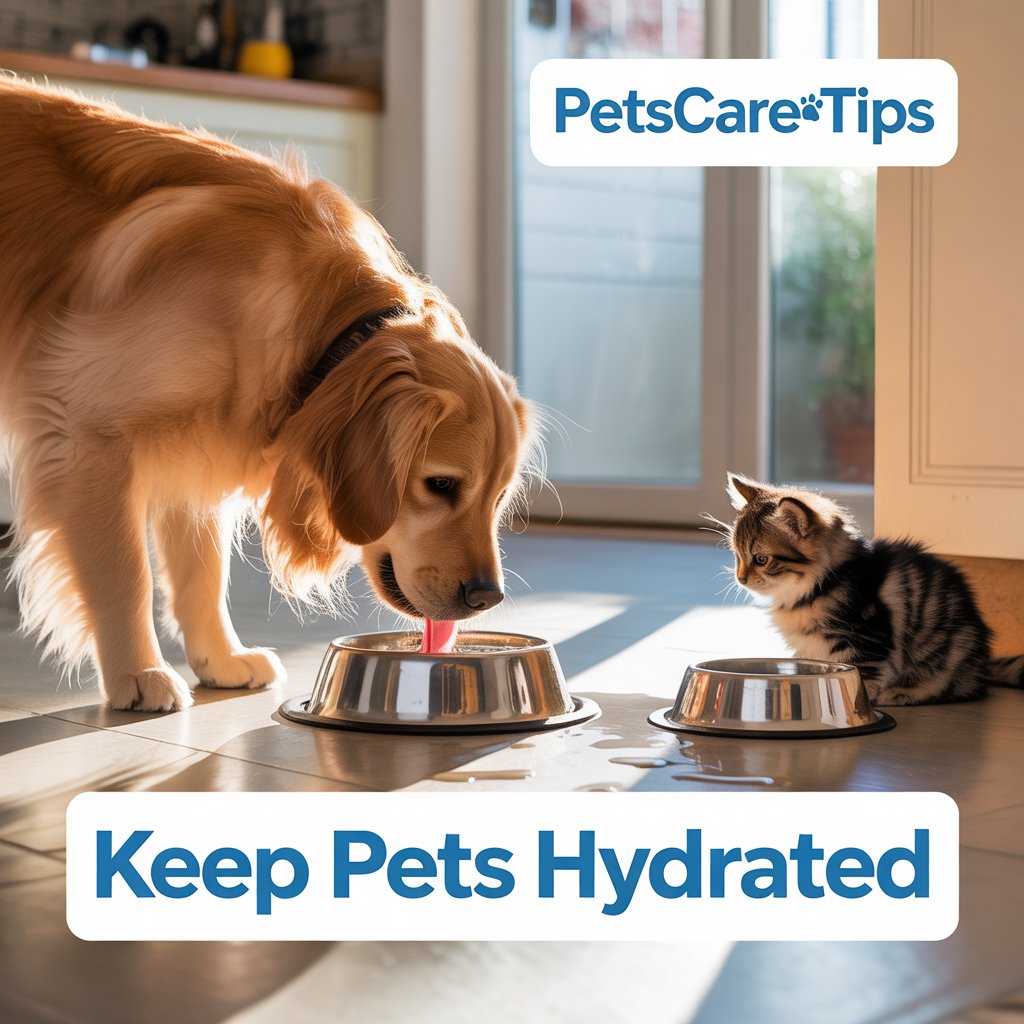
Water is one of the most essential nutrients for every living being—including your pets. Dogs and cats rely on proper hydration to regulate body temperature, support digestion, maintain healthy organs, and stay active. While hydration may seem simple, many pets don’t drink enough water daily, and dehydration can lead to serious health problems. As a responsible pet owner, ensuring your pet stays hydrated is one of the easiest and most powerful steps you can take to support long-term wellness.
This complete guide explains why hydration matters, how much water pets need, signs of dehydration, ways to encourage pets to drink more, and hydration tips approved by veterinarians.
Why Hydration Matters for Pets
Water makes up more than 60% of a dog or cat’s body, and almost every biological process relies on proper hydration.
1. Maintains Organ Function
Kidneys, liver, heart, and digestive organs depend on water for proper functioning.
2. Supports Digestion
Water helps break down food, absorb nutrients, and prevent constipation.
3. Regulates Body Temperature
Pets use panting and hydration to maintain their internal temperature, especially in hot weather.
4. Lubricates Joints
Proper hydration reduces joint stiffness and supports mobility.
5. Flushes Toxins
Water helps remove waste and keeps the urinary system healthy.
6. Improves Skin and Coat Health
Hydrated pets have healthier skin, softer fur, and reduced dryness or dandruff.
Without enough water, pets become weak, tired, and vulnerable to illnesses.
How Much Water Do Pets Need?
Water needs vary with size, age, activity level, and diet. But there are general guidelines.
Water Requirements for Dogs
Dogs require 50–60 ml of water per kilogram of body weight per day.
For example:
- A 10 kg dog needs ~500–600 ml/day
- A 20 kg dog needs ~1–1.2 liters/day
Water Requirements for Cats
Cats need 40–50 ml of water per kilogram of body weight per day.
For example:
- A 4 kg cat needs ~160–200 ml/day
Cats naturally drink less water, so they require more hydration support through food and environmental changes.
Factors That Increase Water Needs
Certain situations increase how much water your pet should drink:
1. Hot Weather
Pets lose water faster during summer.
2. Exercise & Activity
Active pets pant more and lose fluids.
3. Illness or Medication
Vomiting, diarrhea, fever, or kidney issues increase hydration needs.
4. Dry Food Diets
Pets on kibble-only diets need extra water since dry food contains little moisture.
5. Age
Senior pets are more prone to dehydration.
6. Nursing Pets
Pregnant or lactating females need more water.
Understanding these factors helps you adjust hydration based on your pet’s lifestyle.
Signs Your Pet Is Dehydrated
Dehydration can develop quickly, especially in hot weather. Early detection is crucial.
Common Symptoms
- Dry nose and gums
- Thick or sticky saliva
- Lethargy or low energy
- Sunken eyes
- Rapid heart rate
- Panting more than usual
- Reduced skin elasticity
- Loss of appetite
Skin Elasticity Test
Gently lift the loose skin on your pet’s back:
- If it snaps back quickly → hydration is normal
- If it slowly returns → pet may be dehydrated
If your pet shows severe dehydration symptoms, contact a veterinarian immediately.
Why Some Pets Don’t Drink Enough Water
Some pets drink less water due to their natural habits or environment.
Cats
Cats evolved from desert animals, so they are naturally low water drinkers. They also prefer:
- Fresh running water
- Clean bowls
- Specific bowl shapes or materials
Dogs
Dogs may drink less if:
- The bowl is dirty
- The water tastes different
- They are stressed
- They aren’t feeling well
Understanding these reasons helps you encourage better hydration.
How to Encourage Your Pet to Drink More Water
Here are practical, vet-approved ways to increase hydration:
1. Provide Fresh Water Daily
Pets dislike stale or warm water. Replace water at least twice a day.
2. Use Multiple Water Bowls
Place water bowls in different areas of the home, especially:
- Living room
- Bedroom
- Near feeding areas
3. Choose the Right Water Bowl
Some pets prefer:
- Ceramic bowls (no metallic taste)
- Wide bowls (whisker-friendly for cats)
- Elevated bowls (comfortable for large dogs or seniors)
Avoid plastic if possible because it can trap odors.
4. Try a Pet Water Fountain
Many pets—especially cats—love running water.
Benefits:
- Stays fresh
- Encourages curiosity
- Filters impurities
5. Add Moisture to Food
A simple way to increase hydration is to add water to meals.
Options:
- Mix water with dry kibble
- Add bone broth (no salt, no onions)
- Add wet food
- Add raw goat milk (safe and hydrating)
Cats benefit greatly from moist diets.
6. Offer Ice Cubes
Dogs love ice cubes, especially in summer. You can also freeze:
- Chicken broth
- Bone broth
- Flavored ice treats
7. Try Pet-Safe Hydration Boosters
Some supplements boost hydration, including:
- Electrolyte powders
- Broth toppers
- Water flavor enhancers (vet-approved)
8. Keep Water Bowls Clean
Unclean bowls develop bacteria and odors pets avoid.
Clean bowls:
- Daily rinse
- Weekly deep clean with hot water
9. Encourage Play and Activity
Active pets naturally drink more water.
10. Monitor Water Intake
Know your pet’s drinking habits so you can detect changes early.
Hydration Tips for Hot Weather
Summer is the most dangerous season for dehydration.
Tips:
- Avoid walks during peak heat
- Provide shaded outdoor areas
- Carry water during walks
- Use cooling mats
- Keep indoor spaces well-ventilated
Never leave pets in a car—dangerous dehydration can occur within minutes.
Hydration Tips for Senior Pets
Older pets require special attention.
Senior Hydration Supports
- Provide low-bowl edges for easy access
- Add more wet food
- Use flavored broths
- Monitor kidney function regularly
Hydration Through Diet: Wet vs. Dry Food
Dry Food (Kibble)
- Contains about 10% moisture
- Pets require extra water
- Good for convenience and dental support
Wet Food
- Contains 70–80% moisture
- Excellent for cats and picky eaters
- Helps prevent urinary problems
Mixed Feeding
Combining dry and wet food provides hydration and variety.
When to See a Veterinarian
If your pet:
- Drinks too little
- Drinks excessively
- Shows dehydration signs
- Has urinary issues
- Has diarrhea or vomiting
Seek veterinary help. Excessive drinking can also signal diabetes, kidney disease, or hormonal issues.
Conclusion
Keeping your pet hydrated is one of the simplest yet most essential steps for maintaining good health. Proper hydration supports digestion, temperature regulation, energy levels, kidney function, and overall wellness. By offering fresh water, using clean bowls, adding moisture to meals, providing fountains, and monitoring daily intake, pet owners can ensure their furry companions stay healthy and happy year-round.
Comment here