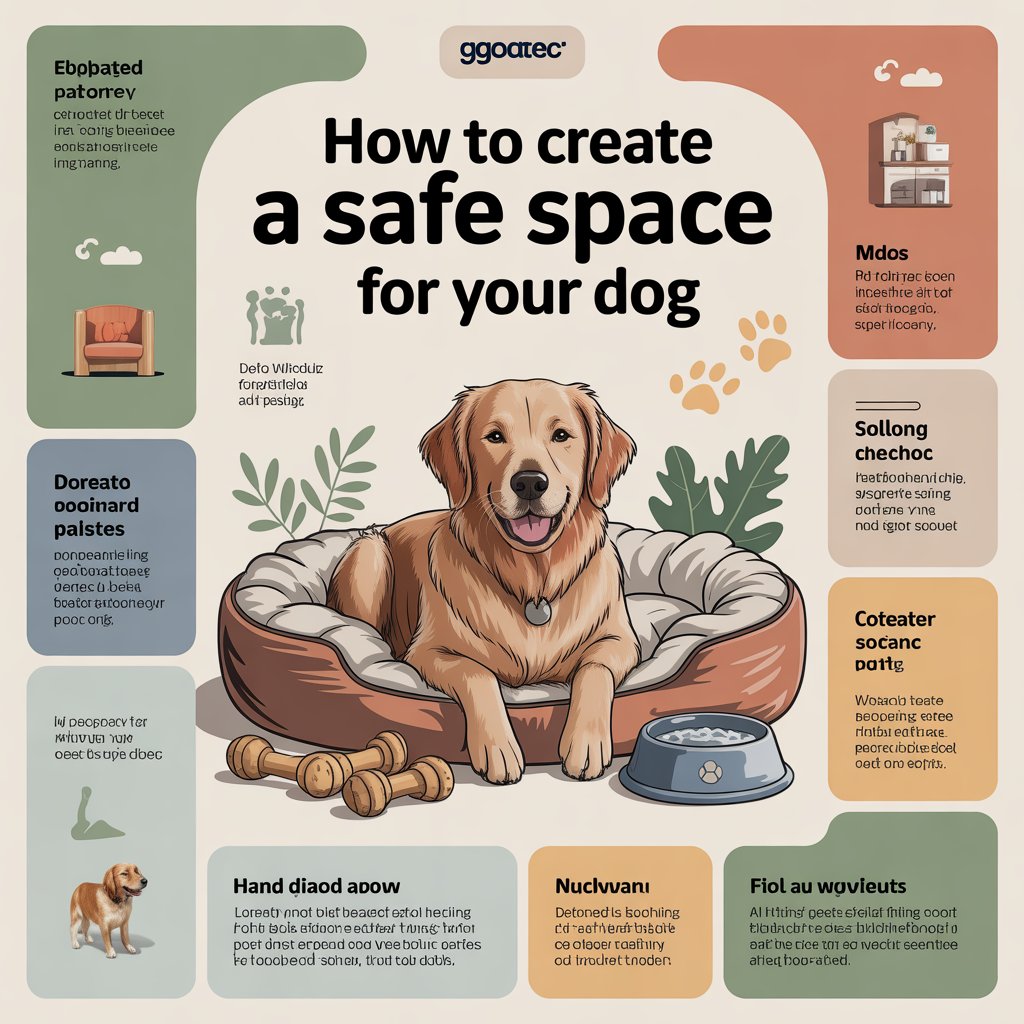
Creating a safe space for your dog is one of the best things you can do to improve their emotional well-being, reduce stress, and help them feel secure inside your home. Just like humans need a peaceful corner to relax, dogs also require a dedicated spot where they can retreat whenever they feel overwhelmed, tired, or anxious. A safe space gives them comfort, builds confidence, and supports healthy behavior.
In this detailed guide, we’ll explore how to set up the perfect safe space for your dog—whether they are a puppy, an adult dog, or a rescue with special needs. Each step is easy, practical, and based on dog-behavior experts’ recommendations.
Why Dogs Need a Safe Space
Dogs experience emotions just like humans—stress, fear, joy, excitement, and exhaustion. A safe space gives them:
- Security during loud noises (fireworks, thunderstorms, guests)
- A place to relax when they get overstimulated
- Better sleep and healthier moods
- Reduced behavioral issues, such as barking, whining, or pacing
- A place to retreat when they need quiet time
Creating a safe space is especially important for anxious dogs, rescue dogs, or dogs living in busy households.
Step 1: Choose the Right Location
The location of your dog’s safe space is the most important part of the setup. A good spot should be:
✔ Quiet and Calm
Pick a place away from heavy foot traffic—avoid hallways, entrances, and rooms with loud sounds.
✔ Comfortable Temperature
Avoid locations that get too hot or cold. Dogs feel safest when temperatures are stable.
✔ Easily Accessible
Your dog should be able to enter and exit freely without obstacles.
✔ Low Light
Dogs naturally relax better in dim or softly lit areas.
Great options include:
- A corner of your bedroom
- An unused space under stairs
- A quiet office room
- A living room corner with low traffic
Step 2: Choose the Best Bed for Comfort
A high-quality dog bed is essential. Pick one that:
- Provides good cushioning
- Supports joints and hips
- Matches the dog’s size
- Has a washable cover
- Is made of non-toxic materials
Orthopedic beds are ideal for senior dogs, while donut beds work well for anxious dogs who prefer to curl up.
Step 3: Add a Crate (Optional but Helpful)
A crate can be a powerful safe-space tool if used correctly. Dogs naturally enjoy den-like environments, and a crate offers that enclosed, cozy feeling.
✔ Benefits of a Crate Safe Space
- Helps with anxiety
- Offers a secure retreat
- Reduces destructive behavior
- Provides structure and routine
If you use a crate:
- Keep the door open during relaxation time
- Add soft bedding
- Cover it partially with a breathable cloth to make it cozy
- Never use the crate as punishment
Step 4: Include Comforting Items
A safe space should include items your dog loves. These can reduce stress and make the area feel familiar.
Items to Add:
- Soft blankets with familiar scents
- Your old t-shirt (smells like you = comfort)
- Chew toys for stress relief
- Treat-dispensing toys to keep them engaged
- Puzzle toys for mental stimulation
Avoid placing anything that can be swallowed or is unsafe for chewing.
Step 5: Make It Scent-Friendly
Dogs have powerful noses, so scents play a huge role in whether they feel safe.
Use calming scents like:
- Chamomile
- Lavender (pet-safe, diluted)
Avoid:
- Strong air fresheners
- Perfumes
- Candles with toxic chemicals
Natural, subtle smells work best.
Step 6: Add Soft Lighting or Quiet Background Sounds
Dogs relax well when the environment is soothing.
Options:
- Warm, soft night lights
- White noise machine
- Low-volume classical music
- Sound-dampening curtains
These help block outside noises that may trigger anxiety.
Step 7: Keep the Area Clean and Organized
A clean environment improves your dog’s comfort level.
Maintain by:
- Washing bedding weekly
- Cleaning toys
- Removing dust or hair
- Ensuring water is available nearby
Consistency makes the space feel reliable and safe.
Step 8: Reinforce Positive Behavior
Now that your dog has a safe space, teach them to use it.
How to Train Them:
- Lead them to the space calmly
- Give treats when they enter
- Use phrases like “go to your spot”
- Never force them to stay
- Reward relaxation behavior
With time, they’ll naturally choose the space when they need comfort.
Step 9: Avoid Using the Space as Punishment
This is extremely important.
A safe space should only be associated with positive experiences.
Do not:
- Send them there for misbehavior
- Close the crate door to punish
- Raise your voice near the space
Dogs must trust this area to feel calm.
Step 10: Make It a Routine
Dogs love routine. Encourage them to use their safe space:
- Before bedtime
- During thunderstorms
- When guests arrive
- When they show stress signals
- After exercise or play
The more they use it, the more comforting it becomes.
Signs Your Safe Space Is Working
Your dog will begin:
- Sleeping in that area
- Going there during loud noises
- Appearing calmer
- Showing fewer stress behaviors
- Resting more throughout the day
These are signs that your setup is successful.
Final Thoughts
Creating a safe space for your dog is an incredibly valuable investment in their emotional and physical health. It helps reduce anxiety, prevents destructive behavior, and encourages calmness throughout the day. With the right environment and proper reinforcement, your dog will naturally adopt this space as their personal relaxation zone.
A happy dog is a healthier dog—and a calm dog supports a peaceful home.
Comment here