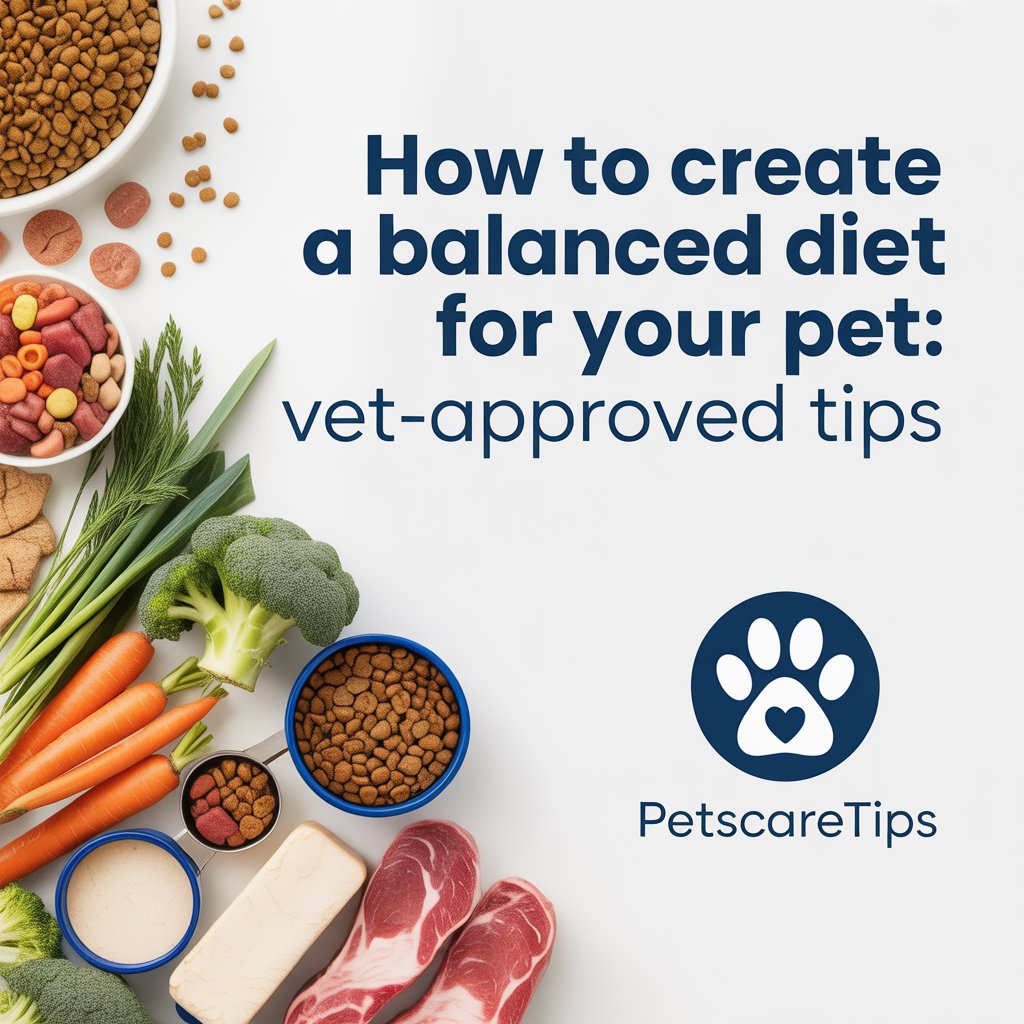
A balanced diet is one of the most important factors in your pet’s long-term health. Whether you have a playful puppy, an active adult dog, a curious kitten, or a relaxed senior cat, the right nutrition supports their energy, growth, immunity, digestion, and overall well-being. While commercial pet foods seem convenient, not all provide complete nutrition, and many pet owners want better control over what their pets consume.
Creating a balanced diet doesn’t require complicated formulas. With clear vet-approved guidelines and an understanding of nutrient needs, you can confidently choose or prepare meals that support your pet’s health. This guide explains everything you need to know about building a complete and healthy diet for dogs and cats.
Why a Balanced Diet Matters
Just like humans, pets need the right mix of nutrients to stay healthy. A balanced diet helps:
- Maintain healthy skin and a shiny coat
- Support strong muscles and bones
- Improve digestion
- Boost immune system function
- Enhance energy levels
- Prevent obesity and nutrient deficiencies
- Promote long life and overall vitality
Without balanced nutrition, pets may face long-term issues such as weak immunity, dull coat, low energy, digestive problems, and joint stiffness.
Understanding Your Pet’s Nutritional Needs
Dogs and cats have different dietary requirements. Knowing the basics helps ensure your pet gets the right foods in the right proportions.
Nutritional Needs for Dogs
Dogs are omnivores, meaning they thrive on a mix of protein, healthy fats, and carbohydrates.
Essential Nutrients for Dogs
- Protein (Primary Energy Source)
Supports muscle growth, repair, and immune function.
Common sources: chicken, turkey, beef, salmon, eggs. - Healthy Fats
Important for skin, coat, brain health, and energy.
Sources: fish oil, chicken fat, flaxseed oil. - Carbohydrates
Provide energy and fiber for healthy digestion.
Sources: rice, oats, sweet potatoes, vegetables. - Vitamins and Minerals
Needed for immunity, bone development, metabolism, and organ function. - Water
Always provide fresh, clean water.
Ideal Dog Diet Breakdown
- 40–50% protein
- 20–30% vegetables and healthy fats
- 20–30% carbohydrates
Nutritional Needs for Cats
Cats are obligate carnivores, which means meat is essential for survival.
Essential Nutrients for Cats
- High Animal Protein
Required for muscle maintenance and energy. - Taurine (Very Important)
A vital amino acid needed for heart, vision, and reproduction.
Found naturally in: chicken heart, dark meat, fish. - Healthy Fats
Provide energy and support skin and coat health. - Minimal Carbohydrates
Cats do not digest carbs as efficiently as dogs. - Vitamins & Minerals
Especially vitamin A, B vitamins, calcium, and iron. - Water
Cats naturally drink less, so moist foods are beneficial.
Ideal Cat Diet Breakdown
- 70–80% protein
- 10–20% fats
- Low to almost zero carbs
Choosing the Right Food for Your Pet
Creating a balanced diet starts with picking high-quality ingredients—whether homemade or commercial.
1. Commercial Pet Foods (What to Look For)
Not all store-bought foods are the same. Always choose:
- “Complete & Balanced” labeled foods
- Named protein sources (e.g., chicken, salmon)
- No artificial preservatives
- No fillers like corn, soy, or wheat
- Limited ingredients (good for sensitivities)
Avoid foods that list vague terms like “meat meal,” “animal fat,” or “by-products” without identifying the source.
2. Homemade Diets (Vet-Approved Approach)
Homemade meals give you full control over ingredients but must be balanced carefully.
Key Guidelines
- Use high-quality meats
- Add pet-safe vegetables
- Include healthy fats
- Add supplements when needed (omega-3s, taurine, vitamins)
- Never feed toxic foods like onions, grapes, chocolate, or xylitol
A homemade diet works best when planned with a veterinarian to avoid deficiencies.
Building a Balanced Diet: Vet-Approved Tips
These practical tips help you create nutritious meals your pet will enjoy while staying healthy.
1. Prioritize High-Quality Protein
Protein should always be the foundation of your pet’s diet.
Best Proteins for Dogs & Cats
- Chicken
- Turkey
- Beef
- Lamb
- Fish (salmon, sardines)
- Eggs (fully cooked)
For cats, include organ meats occasionally—especially hearts and liver for taurine support.
2. Use Healthy Fats Wisely
Healthy fats support:
- Skin & coat
- Brain development
- Energy levels
- Joint health
Safe Fat Sources
- Salmon oil
- Chicken fat
- Flaxseed oil
- Fish oil capsules
Avoid excessive fat—too much can cause pancreatitis.
3. Add Nutritious Vegetables (Dogs Only)
Dogs benefit from fiber and vitamins found in veggies.
Best Veggies for Dogs
- Carrots
- Peas
- Spinach
- Green beans
- Pumpkin
- Sweet potato
Cats should not rely on vegetables—they need meat for nutrients.
4. Include Clean Carbohydrates (Primarily for Dogs)
Carbs provide energy and improve digestion.
Best Carbs
- Brown rice
- Oats
- Quinoa
- Sweet potato
Cats should have minimal carbs in their diet.
5. Don’t Forget Essential Nutrients
Some nutrients are easily lost or missing—especially in homemade meals.
Important Add-Ons
- Taurine (for cats)
- Omega-3 fatty acids
- Calcium & phosphorus (balanced)
- Vitamins A, D, E, B-complex
- Probiotics for digestion
Your vet can recommend dosage based on weight and age.
6. Feed According to Age & Life Stage
Nutrition needs change as pets age.
Puppies & Kittens
- High protein
- Extra calcium
- Smaller, frequent meals
Adult Pets
- Balanced diet
- Controlled calories
- Consistent feeding routine
Senior Pets
- Joint supplements
- Lower calories if less active
- Easy-to-digest foods
Life stage feeding keeps your pet healthy at every age.
7. Monitor Portion Sizes
Overfeeding leads to obesity, which causes:
- Joint pain
- Diabetes
- Heart strain
- Low energy
Use portion guides based on:
- Weight
- Breed
- Activity level
- Vet recommendations
8. Keep Hydration a Priority
Pets need plenty of clean water.
Cats especially benefit from wet foods because they naturally drink less.
9. Avoid Toxic Foods
Never feed:
- Chocolate
- Grapes & raisins
- Onions
- Garlic
- Caffeine
- Alcohol
- Raw dough
- Cooked bones
- Xylitol sweeteners
These can be life-threatening.
10. Maintain a Feeding Schedule
Routine helps digestion and behavior.
General Schedule
- Dogs: 2 meals/day
- Cats: 2–3 small meals/day (or free feeding if weight is controlled)
Signs Your Pet’s Diet Is Balanced
A healthy diet reflects in:
- Shiny coat
- Healthy weight
- Good digestion
- High energy
- Bright eyes
- Strong immunity
If your pet shows dull fur, low energy, or digestive issues, the diet may need adjustment.
Sample Balanced Meal Ideas
Here are simple, vet-style meal concepts:
For Dogs
- Chicken + brown rice + carrots + fish oil
- Beef + sweet potato + spinach
- Turkey + oats + green beans
For Cats
- Chicken thigh + liver + broth + fish oil
- Salmon + egg + pumpkin (small amount)
- Beef + heart + bone broth
These should be adjusted based on portion needs and supplements.
Conclusion
Creating a balanced diet for your pet doesn’t have to be complicated. By focusing on high-quality proteins, the right mix of fats, safe vegetables, and essential nutrients—and by avoiding harmful foods—you can support your pet’s long-term health naturally. Whether you choose commercial foods or homemade meals, consistency and nutrient balance are key.
Comment here