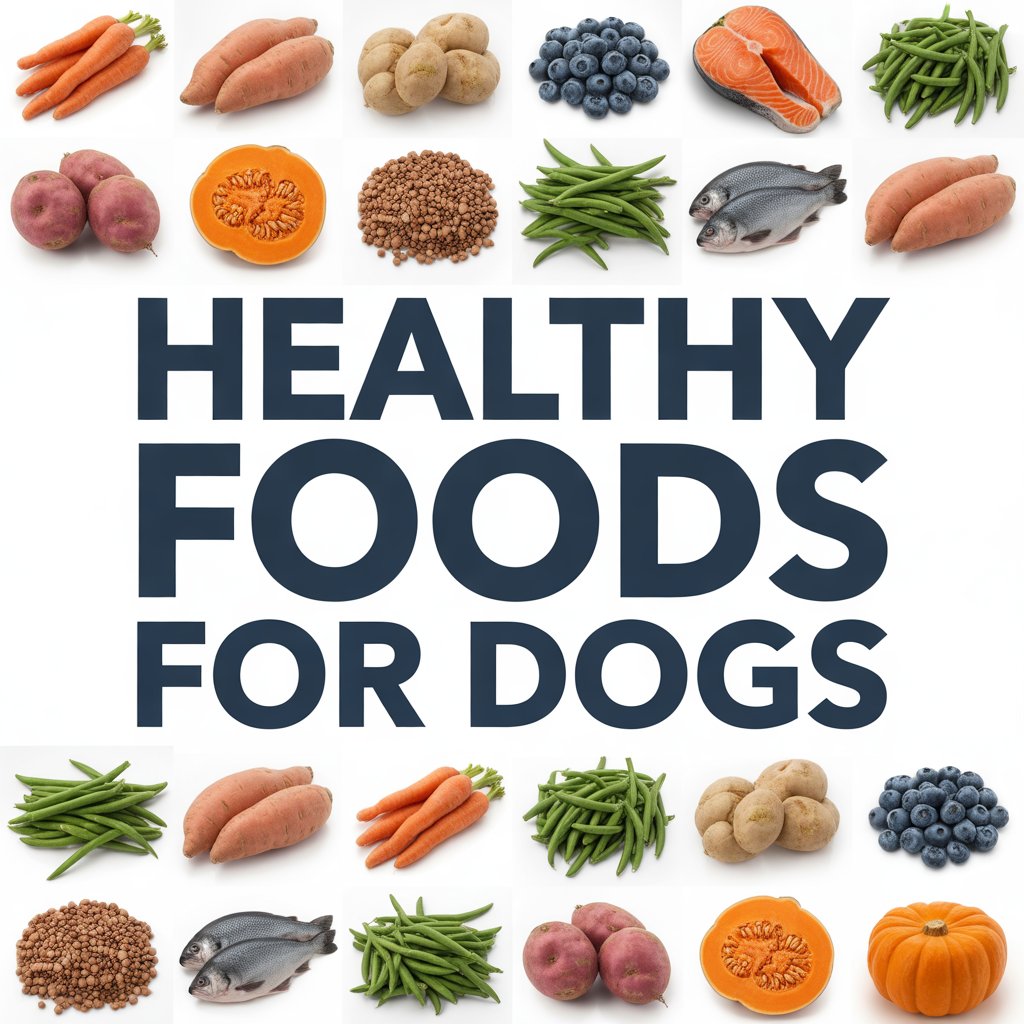
Feeding your dog healthy, nutrient-rich food is one of the most important parts of responsible pet ownership. A balanced diet not only supports your dog’s overall health but also strengthens immunity, promotes healthy digestion, improves coat shine, and boosts energy levels. Many dog owners struggle to understand which foods are truly beneficial and which ingredients should be avoided. This guide provides a complete, SEO-optimized breakdown of the best healthy foods for dogs, how to safely include them in meals, and what nutritional benefits they offer.
A dog’s body works differently than a human’s, so even foods that are safe for us may not be suitable for them. Choosing the right foods requires understanding essential nutrients—protein, healthy fats, vitamins, minerals, antioxidants, and fiber. Whether you feed commercial kibble, wet food, homemade meals, or a mix, adding healthy ingredients can significantly improve your dog’s wellness.
1. High-Quality Lean Proteins
Protein is the foundation of a healthy dog diet. Dogs need protein for muscle development, immune support, and energy production. Lean proteins are easier to digest and reduce the risk of weight gain.
Best Lean Protein Sources for Dogs
Chicken – Skinless, boneless chicken breast is one of the best protein-rich, low-fat options.
Turkey – Another great lean protein that supports muscle repair.
Beef – Rich in iron and amino acids; choose lean cuts like ground beef with low fat.
Salmon – Offers protein plus omega-3 fatty acids for joint support and skin health.
Eggs – Highly digestible and nutrient-dense; good for sensitive stomachs.
Why Lean Proteins Are Important
- Improve muscle growth and strength
- Enhance immune function
- Provide steady energy
- Support healthy skin and coat
Cook proteins without seasoning, oil, or harmful additives. Avoid giving raw meat unless your vet approves a raw diet plan.
2. Omega-3 and Omega-6 Rich Foods
Healthy fats are essential for cognitive development, hormone balance, and skin health. Many dogs suffer from dry, itchy skin caused by fat deficiency.
Best Healthy Fat Sources
Salmon, sardines, mackerel – Packed with omega-3 fatty acids.
Flaxseed and chia seeds – Plant-based omega-3s and fiber.
Coconut oil – Supports digestion and boosts energy; feed in small amounts.
Olive oil – Helps with dull coats and is rich in antioxidants.
Benefits of Omega-3s
- Reduce inflammation
- Promote shiny coat and healthy skin
- Improve brain function
- Support joint health, especially in senior dogs
3. Fresh Vegetables That Dogs Can Eat
Veggies add essential vitamins, minerals, antioxidants, and fiber to your dog’s diet. They are low in calories and excellent for weight management.
Dog-Friendly Vegetables
Carrots – Great for dental health, low-calorie, rich in beta-carotene.
Green beans – High in fiber, support digestion and weight control.
Sweet potatoes – Rich in vitamin A, antioxidants, and slow-release energy.
Broccoli – Provides vitamin C and helps strengthen immunity.
Pumpkin – One of the best foods for digestion; helps with constipation and diarrhea.
Spinach – Loaded with iron, antioxidants, and vitamins.
Steam or lightly cook vegetables for easier digestion. Never feed onions, garlic, or mushrooms.
Fruits provide natural sweetness, hydration, fiber, and antioxidants. They should be fed in small, controlled portions because of their sugar content.
Best Fruits for Dogs
Blueberries – Powerful antioxidants that support brain health and slow aging.
Apples – Good source of vitamins A and C; remove seeds.
Bananas – Rich in potassium; ideal as an occasional treat.
Watermelon – Hydrating and low in calories; remove seeds and rind.
Strawberries – Improve immune health and contain natural anti-inflammatory compounds.
Avoid grapes, raisins, and cherries—they are toxic to dogs.
5. Healthy Grains and Complex Carbohydrates
If your dog is not grain-allergic, whole grains provide energy, fiber, and essential nutrients.
Safe Grain Options
Brown rice – Easy to digest and suitable for sensitive stomachs.
Oatmeal – High in fiber and great for older dogs with digestion issues.
Quinoa – A nutrient-dense grain alternative packed with protein.
Carbohydrates are especially helpful for active or working dogs who need extra energy.
6. Probiotic-Rich Foods for Digestion
A healthy gut boosts overall health, reduces inflammation, and improves nutrient absorption.
Best Probiotic Foods
Plain yogurt – Helps balance gut bacteria; choose unsweetened.
Kefir – Contains more probiotics than yogurt.
Pumpkin – Supports regular bowel movements and stomach stability.
Consult your vet if your dog has lactose intolerance before feeding dairy.
7. Healthy Homemade Add-Ins
Adding a few natural ingredients to your dog’s kibble can greatly improve meal quality.
Great Meal Add-Ins
- Boiled chicken or turkey
- Steamed vegetables
- A spoon of pumpkin puree
- A drizzle of fish oil
- Blueberries
- Scrambled eggs with no salt or oil
These toppers not only enhance flavor but also boost nutritional value.
8. Foods That Should Be Avoided Completely
Keeping your dog safe also means avoiding harmful foods.
Never Feed Your Dog
- Chocolate
- Grapes and raisins
- Onions and garlic
- Alcohol
- Caffeine
- Avocado
- Cooked bones
- Artificial sweetener (especially xylitol)
These foods can cause kidney failure, stomach poisoning, seizures, or worse.
9. How to Introduce New Foods Safely
Introduce any new food slowly to avoid digestive problems. Start with small portions and monitor your dog for reactions such as vomiting, itching, or diarrhea. Each dog is different, so personalized adjustments may be needed.
Tips for Safe Introduction
- Mix new food with existing food
- Increase gradually over a week
- Observe stool quality
- Consult your vet for allergies or medical conditions
10. Building a Balanced Meal Plan
A healthy dog diet includes:
- 50–60% protein
- 20–30% healthy carbs
- 10–20% fats
- Small amounts of veggies and fruits
Your dog’s age, size, breed, and activity level determine exact requirements.
For Puppies
Higher protein and fat for growth.
For Adults
Balanced diet with moderate calories.
For Seniors
Lower-fat, joint-supporting foods.
Final Thoughts
Feeding your dog healthy foods is one of the best investments in their long-term wellness. Lean proteins, omega-rich fats, dog-friendly fruits and vegetables, and probiotic foods all contribute to better digestion, stronger immunity, shinier coats, and increased energy. By choosing natural, nutritious ingredients and avoiding harmful foods, you ensure your dog lives a longer, happier, and healthier life.
This complete guide supports a well-rounded nutrition plan—perfect for pet owners who want the best for their dogs and ideal for ranking high on search engines due to clean, SEO-optimized writing and valuable content.
Comment here