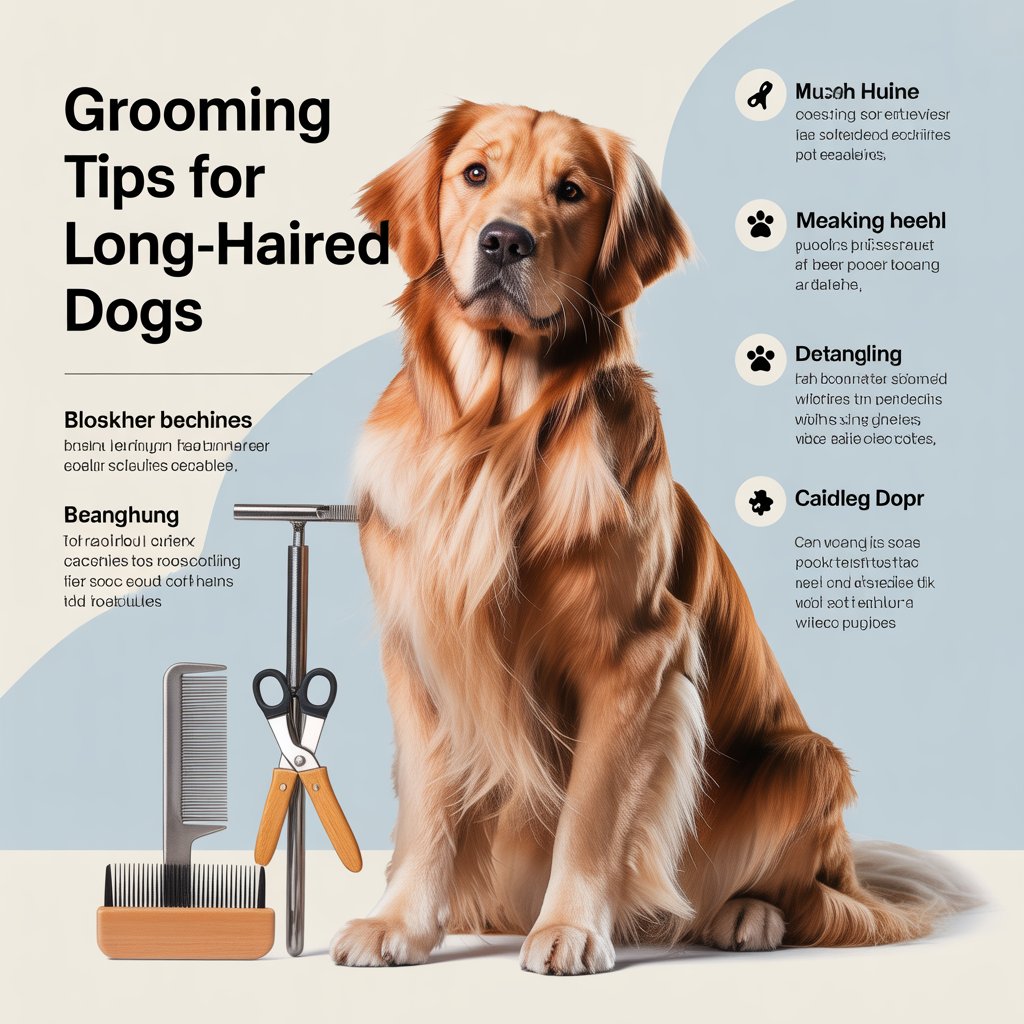
Owning a long-haired dog can be incredibly rewarding, but it also comes with the responsibility of regular grooming to maintain their health, appearance, and comfort. Long-haired dogs, such as Shih Tzus, Yorkshire Terriers, and Maltese, require more attention when it comes to grooming than short-haired breeds. With the right grooming techniques and tools, you can keep your dog’s coat shiny, healthy, and free of mats and tangles.
In this guide, we’ll walk you through everything you need to know about grooming long-haired dogs. From brushing and bathing to trimming and nail care, these tips will help you keep your furry friend looking their best.
Why Grooming is Essential for Long-Haired Dogs
Long-haired dogs are more prone to tangling, matting, and dirt buildup. Matting occurs when the hair becomes tangled and knotted, which can lead to discomfort, skin irritation, or even infection if left untreated. Regular grooming helps to prevent mats, keeps the coat shiny, and promotes healthy skin by removing dirt, dead hair, and oil buildup.
Additionally, grooming provides an opportunity to check for skin conditions, parasites, and health issues, making it an important part of your dog’s overall wellness routine.
1. Brushing Your Long-Haired Dog’s Coat
Brushing is the foundation of grooming long-haired dogs. Daily brushing is ideal for preventing mats and tangles, but if that’s not possible, aim for at least 3-4 times a week. The key is to start brushing early and often to keep your dog’s coat in top condition.
Choosing the Right Brush
The type of brush you choose will depend on the texture of your dog’s fur. Here are some of the best options:
- Pin Brush: Ideal for silky coats, such as those found in Yorkies. It’s great for detangling without causing hair breakage.
- Slicker Brush: Best for dense coats that are prone to matting, like those in Shih Tzus or Maltese.
- Undercoat Rake: Use for breeds with thick undercoats (like Golden Retrievers) to remove loose hair.
- Bristle Brush: Perfect for smoothing and adding shine to a finer coat.
How to Brush
- Start at the ends: Gently brush from the tips of the fur toward the roots, carefully untangling any knots as you go. This prevents the hair from being pulled and causing discomfort.
- Section the coat: Work through the dog’s coat in sections. This ensures that no tangles are missed.
- Use a comb: For any mats that are too difficult to remove with a brush, use a wide-toothed comb or a mat splitter to carefully detangle.
2. Bathing Your Long-Haired Dog
Bathing your dog is another essential part of the grooming routine, but it should not be done too frequently, as over-bathing can strip the coat of its natural oils. For most long-haired dogs, bathing once a month is sufficient, though more frequent baths may be necessary if they become particularly dirty or smell.
Choosing the Right Shampoo
When bathing your long-haired dog, always use a dog-specific shampoo that is gentle on their skin. If your dog has sensitive skin, choose a hypoallergenic or natural shampoo free of harsh chemicals. Look for shampoos designed for long-haired breeds to help prevent tangles and promote a shiny coat.
How to Bathe Your Dog
- Wet the coat: Use lukewarm water to gently wet your dog’s coat. Be cautious not to get water into their ears or eyes.
- Apply shampoo: Lather the shampoo thoroughly, massaging it into your dog’s coat and skin. Make sure to rinse well to remove all shampoo residue.
- Condition the coat: Long-haired dogs benefit from a conditioner to help smooth the fur and prevent tangling.
- Drying: After bathing, use a towel to gently pat your dog dry. If your dog is comfortable with it, you can also use a blow dryer on a low setting to avoid frizz or tangling.
3. Trimming and Cutting Your Dog’s Coat
Even with regular brushing, your dog’s coat may still need occasional trimming to keep it looking neat. This is especially true for breeds with hair that grows rapidly, like Shih Tzus or Maltese. Trimming around the paws, face, and ears can help keep your dog looking fresh.
When to Trim
- Paw Pads: Trim the hair around your dog’s paw pads to avoid dirt buildup and to improve traction.
- Ears and Face: Long hair around the ears and face can obstruct your dog’s vision and cause matting. Trim carefully to avoid irritation.
- Overall Coat: If your dog’s coat is growing too long, or if you want to give them a neat look, trim the hair to maintain an even length.
How to Trim
- Use dog clippers or scissors designed for grooming.
- Work in small sections, and always trim conservatively to avoid cutting too much.
- For harder-to-reach areas, consider having a professional groomer do the trimming.
4. Nail Care for Long-Haired Dogs
Long-haired dogs can easily accumulate dirt and debris around their paws, so it’s important to keep their nails trimmed and their paws clean.
- Trim the nails regularly to prevent them from becoming too long and causing discomfort or injury.
- Use pet-safe nail clippers and carefully trim just the tip of the nail, avoiding the quick, which is the sensitive part of the nail.
- Clean the paws by gently wiping them with a pet wipe to remove dirt or debris.
5. Cleaning Your Dog’s Eyes and Ears
Long-haired dogs are particularly prone to tear stains and ear infections, especially around the eyes and ears.
- Eyes: Use a soft, damp cloth to gently wipe away any eye discharge daily. If tear stains are persistent, consider using an eye-cleaning solution recommended by your vet.
- Ears: Long-haired dogs often have hair growing inside their ears. Use a dog-safe ear cleaner and a cotton ball to gently clean the ears, avoiding any deep insertion into the ear canal.
6. Preventing and Dealing with Mats and Tangles
Matted fur is a common issue with long-haired dogs, and it can be painful for your dog. To prevent mats from forming:
- Brush daily to prevent tangles from becoming mats.
- For existing mats, carefully use a mat splitter or wide-toothed comb to work through the tangled fur gently.
- If mats are too severe, a professional groomer may be needed to safely remove them.
7. Regular Grooming Schedule for Long-Haired Dogs
Establishing a consistent grooming routine will help you stay on top of your dog’s coat maintenance. Here’s a simple schedule:
- Brushing: Daily or at least 3-4 times a week.
- Bathing: Once a month, or as needed.
- Trimming: Every 6-8 weeks, depending on your dog’s breed and coat growth.
- Nail Clipping: Every 2-4 weeks.
- Ear and Eye Cleaning: Weekly or as needed.
Conclusion
Grooming long-haired dogs may require some extra effort, but it is well worth the time and attention. Regular brushing, bathing, and trimming will keep your dog’s coat shiny, clean, and free of mats, while also ensuring their skin stays healthy. Remember, grooming is also an opportunity to check for any health concerns, so make it a regular part of your dog’s care routine.
By following these grooming tips, you can ensure that your long-haired dog stays comfortable, happy, and healthy. Happy grooming!
Comment here