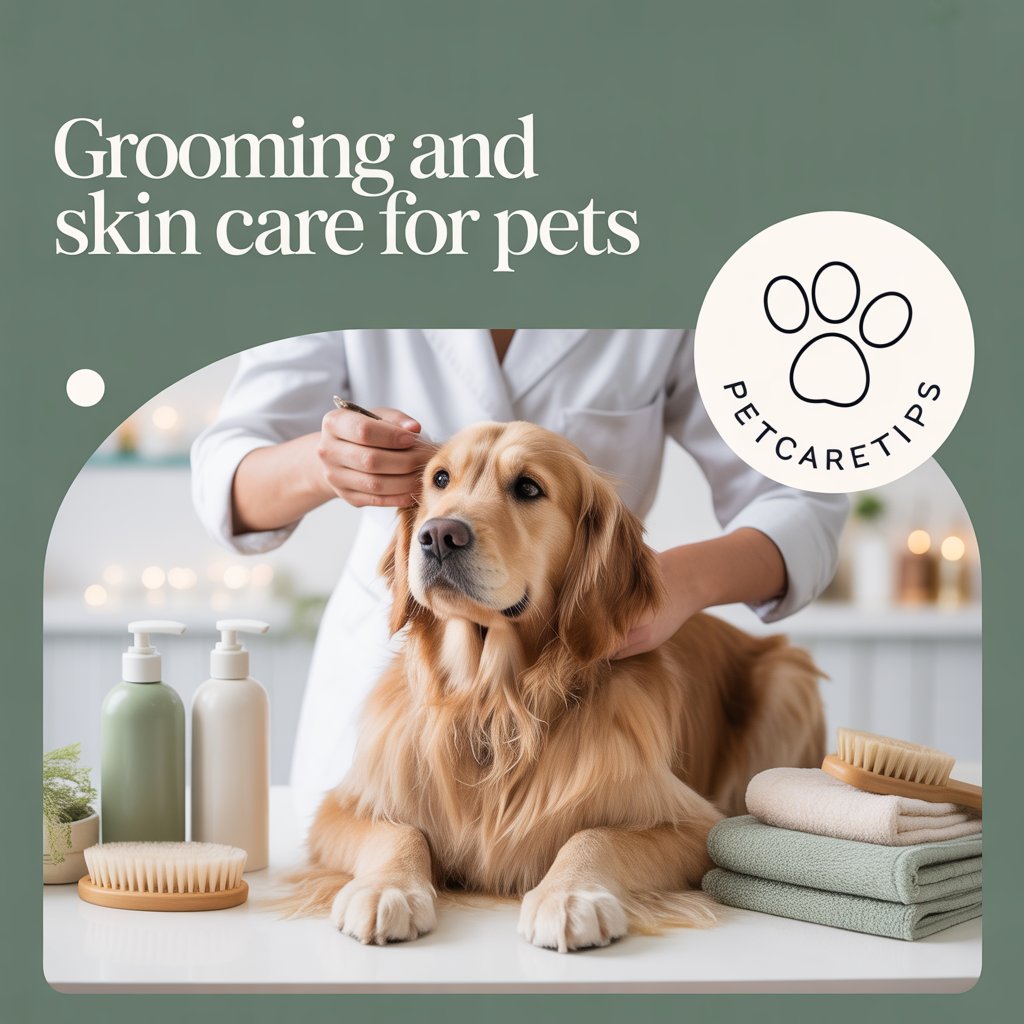
Grooming and skin care are essential parts of maintaining your pet’s overall health. Whether you have a dog, cat, or another furry companion, regular grooming helps prevent skin problems, reduces shedding, improves comfort, and strengthens the bond between you and your pet. Skin is the largest organ in your pet’s body, and keeping it healthy ensures your pet stays protected, clean, and happy.
This complete, vet-approved guide covers everything you need to know about grooming and skin care, from brushing routines to bath schedules, skin treatments, and how to avoid common issues.
Why Grooming Matters for Pets
Grooming isn’t only about appearance. It plays a major role in health and hygiene.
1. Prevents Skin Issues
Regular grooming helps prevent:
- Dry skin
- Matting
- Fleas or ticks
- Irritation
- Bacterial infections
2. Reduces Shedding
Brushing removes loose fur and keeps your home cleaner.
3. Improves Circulation
Gentle brushing stimulates blood flow and promotes healthier skin.
4. Keeps Coat Shiny and Healthy
Good grooming enhances coat texture and overall appearance.
5. Allows Early Health Detection
While grooming, you can spot:
- Lumps
- Rashes
- Parasites
- Wounds
6. Strengthens Bonding
Pets feel relaxed and secure during grooming sessions.
Understanding Your Pet’s Skin and Coat
Every pet has unique skin and coat needs. Factors like breed, age, environment, and grooming products all influence skin health.
Coat Types in Dogs
- Short Coat: Smooth, low maintenance (Beagle, Boxer)
- Double Coat: Thick, warm layers (Husky, German Shepherd)
- Curly Coat: Needs regular trimming (Poodle, Bichon)
- Long Coat: Requires daily brushing (Shih Tzu, Afghan Hound)
Coat Types in Cats
- Short Hair: Less grooming required
- Medium Hair: Needs frequent brushing
- Long Hair: Daily grooming to prevent matting
Understanding coat type helps you choose the right grooming routine.
Essential Grooming Routine for Pets
A grooming routine should be consistent, gentle, and customized for each pet. Here are the essential steps.
1. Brushing the Coat
Brushing keeps fur healthy and prevents skin problems.
How Often to Brush
- Short-haired pets: 1–2 times weekly
- Medium-haired pets: 3–4 times weekly
- Long-haired pets: Daily
Benefits of Regular Brushing
- Removes loose hair
- Prevents tangles
- Distributes natural skin oils
- Keeps coat shiny
Types of Brushes
- Slicker brushes
- Bristle brushes
- Undercoat rakes
- Deshedding tools
Choose a tool based on your pet’s fur type.
2. Bathing Your Pet
Bathing helps maintain hygiene, removes dirt, and prevents skin irritation.
How Often to Bathe
- Dogs: Every 3–4 weeks (depends on coat and lifestyle)
- Cats: Every 4–6 weeks (only if needed)
Over-bathing can cause dryness, so avoid excessive shampooing.
Safe Bathing Tips
- Use pet-safe, pH-balanced shampoo
- Rinse thoroughly to avoid residue
- Dry completely to prevent fungus
- Avoid shampoo with harsh chemicals
For sensitive skin, use oatmeal or hypoallergenic shampoos.
3. Nail Trimming
Long nails can cause discomfort and joint pain.
How Often
- Every 3–4 weeks
Signs Nails Are Too Long
- Clicking sound on floor
- Difficulty walking
- Nail splitting
If you’re unsure, a professional groomer or vet can trim them safely.
4. Ear Cleaning
Dirty ears can lead to infections, especially in floppy-eared breeds.
Ear Cleaning Tips
- Use vet-approved ear cleaners
- Avoid pushing cotton swabs deep inside
- Clean ears every 2–4 weeks
Signs of ear issues:
- Bad odor
- Redness
- Constant scratching
Seek veterinary help if symptoms persist.
5. Eye Care
Gently wipe the area with a clean, damp cloth to remove tear stains or dirt.
6. Dental Hygiene
Dental care is part of grooming:
- Brush teeth 3–4 times a week
- Use pet-safe toothpaste
- Provide dental chews
- Get annual dental check-ups
Dental disease can affect heart and kidney health, making oral care essential.
Skin Care Basics for Pets
Healthy skin is soft, hydrated, and free of irritation. Here are the key steps to maintain it.
1. Keep the Skin Moisturized
Dry skin can cause:
- Itching
- Flaking
- Hot spots
Use moisturising sprays or omega-rich supplements if recommended by a vet.
2. Protect Against Parasites
Fleas and ticks cause:
- Allergies
- Skin infections
- Hair loss
Use:
- Flea collars
- Topical treatments
- Oral preventatives
3. Maintain a Healthy Diet
A balanced diet with nutrients like:
- Omega-3 fatty acids
- Vitamin E
- Biotin
- Zinc
helps support skin health and reduce irritation.
4. Avoid Harsh Chemicals
Strong shampoos, perfumes, or cleaners can irritate pet skin.
5. Monitor for Skin Allergies
Common symptoms:
- Redness
- Chewing paws
- Constant scratching
- Bald patches
Food allergies or environmental triggers may be responsible. Consult a vet for testing.
Common Skin Issues in Pets
Understanding common problems helps you take preventive measures.
1. Flea Allergy Dermatitis
Caused by flea saliva; leads to intense itching.
2. Hot Spots
Red, moist sores caused by licking, allergies, or moisture trapped in fur.
3. Dry Skin
Often due to poor diet, dry air, or harsh shampoos.
4. Fungal Infections
Yeast infections cause odor, redness, and itching.
5. Dandruff
Indicates dryness or nutritional imbalance.
6. Mange
Mites cause hair loss and severe irritation.
If symptoms worsen, always seek veterinary care.
Grooming Routine Based on Season
Seasonal changes affect coat health.
Summer Grooming
- Use lightweight brushes
- Shorter coat trims
- Protect skin from heat
Winter Grooming
- Keep fur slightly longer
- Moisturize skin more
- Avoid over-bathing
Spring/Fall Shedding Seasons
- Brush more frequently
- Use de-shedding tools
When to Visit a Professional Groomer
Professional grooming is helpful when:
- The coat is severely matted
- Your pet becomes anxious during grooming
- Your pet has a thick or curly coat
- You need specialized treatments
- Nail trimming becomes difficult
Professional groomers use tools and techniques that keep pets safe and comfortable.
Conclusion
Grooming and skin care are essential aspects of a pet’s health routine. From brushing and bathing to ear cleaning and dental hygiene, each step contributes to cleaner skin, a shinier coat, and a healthier pet. By maintaining a regular grooming schedule, choosing the right products, and paying attention to changes in your pet’s skin, you can prevent problems before they start and keep your pet comfortable and happy.
Grooming isn’t just maintenance—it’s a way to bond with your pet and care for their overall well-being. With consistent grooming and proper skin care, your pet will look great, feel great, and stay healthier for years to come.
Comment here