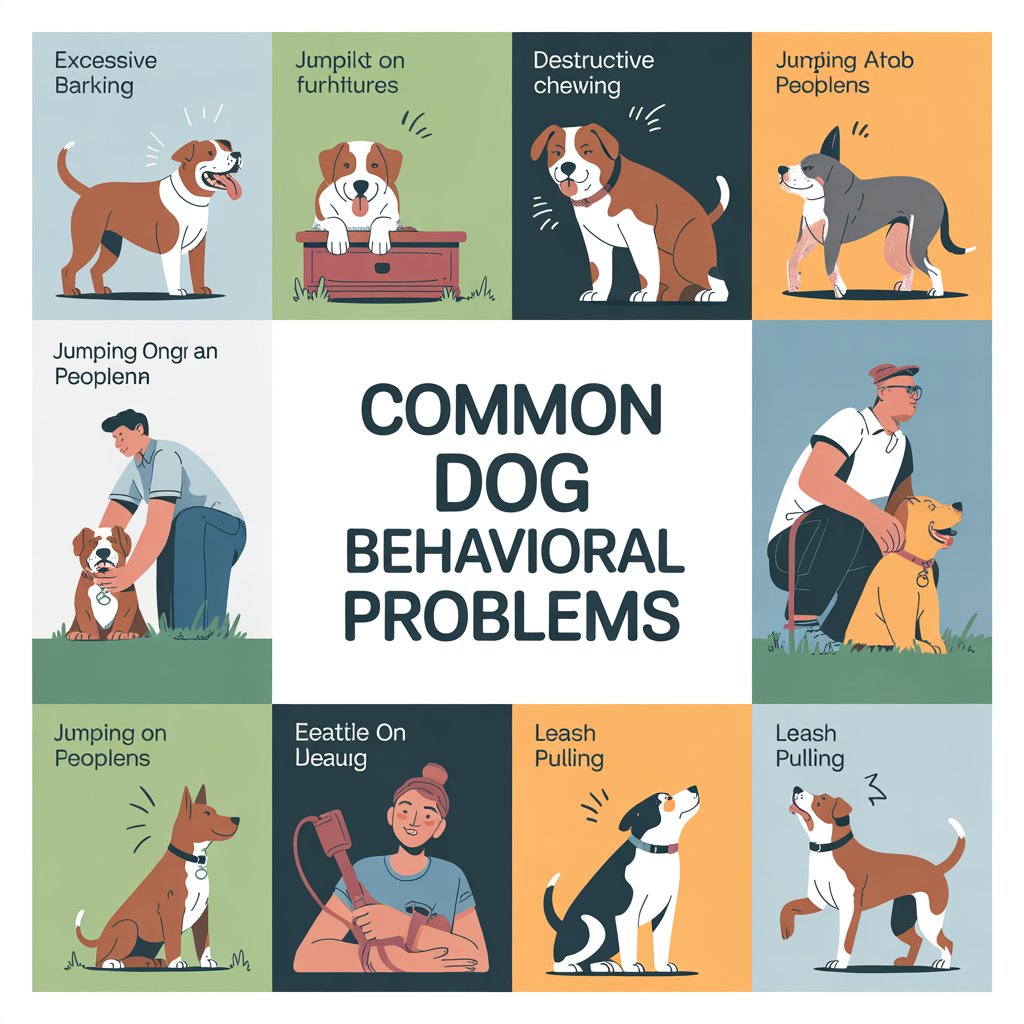
Common Dog Behavioral Problems
Dogs are loyal companions, but just like humans, they can develop behavioral issues that affect their comfort, safety, and relationship with their owners. Understanding why these behaviors happen and how to address them is essential for maintaining a healthy, peaceful home. Many dog behavior problems stem from lack of training, boredom, fear, or inconsistent routines. With the right guidance, most issues can be corrected without stress.
Excessive Barking
One of the most common behavioral problems dog owners face is excessive barking. While barking is a natural communication skill for dogs, constant barking can become frustrating. Dogs usually bark excessively due to boredom, loneliness, territorial instincts, or anxiety. The first step is identifying the trigger. If a dog barks at noises outside, closing windows or using white noise can help. For boredom-related barking, adding more playtime and mental activities like puzzle toys works well. Positive reinforcement is key—reward your dog for being quiet rather than scolding them. Over time, consistent training reduces unnecessary barking.
Separation Anxiety
Many dogs become stressed when left alone, which leads to destructive behavior, whining, or excessive pacing. Separation anxiety usually appears when a dog is overly attached to one person or scared of being left alone. To manage this, gradually teach your dog to stay calm during short absences before increasing the time. Give them interactive toys to keep their mind busy, and avoid dramatic greetings when you return home. In severe cases, professional training or veterinary guidance may be needed. Consistency and patience are crucial because anxiety rarely disappears overnight.
Aggressive Behavior
Aggression in dogs can be directed toward people, other dogs, or specific triggers such as food or toys. Common causes include fear, lack of socialization, pain, or territorial instincts. Aggressive behavior should never be ignored because it can escalate over time. Start by identifying what causes the reaction. For example, if a dog becomes aggressive around food, feeding them in a quiet, private space can help. Avoid punishment, as it may increase fear and make the aggression worse. Instead, use reward-based training and consider working with a certified dog behaviorist for long-term improvement. Early intervention is the safest approach.
Jumping on People
Dogs often jump to show excitement or seek attention. Although it may seem harmless, it can be unsafe, especially around children or elderly individuals. Teach your dog to sit before greeting people. Whenever they keep all four paws on the ground, reward them with praise or a treat. Ignoring jumping behavior is also effective—dogs quickly learn that calm behavior earns attention, while jumping does not. Consistency from all family members is important; mixed reactions confuse the dog and slow down progress.
Leash Pulling
Walking a dog that constantly pulls on the leash is exhausting and unsafe. Most dogs pull because they are excited to explore. The best training method is to stop walking whenever they pull. Once they come back beside you, reward them and continue walking. Over time, the dog learns that pulling leads to no progress, while walking calmly gets rewarded. Using a front-clip harness can also give better control, especially for strong or energetic dogs. Training takes patience, but it greatly improves daily walks.
Destructive Chewing
Chewing is normal for puppies and adult dogs, but destructive chewing often means something is wrong. It may be caused by stress, boredom, teething, or lack of toys. To prevent damage, give your dog safe chew toys and keep valuable items out of reach. If the chewing happens when the dog is home alone, it may signal separation anxiety. Exercise, mental enrichment, and safe chew options help reduce destructive behavior. Redirecting your dog to the correct toy and rewarding them reinforces good habits.
Begging for Food
Many owners unintentionally encourage begging by feeding dogs from the table. Dogs quickly learn that begging brings results, so they continue doing it. The solution is simple—never feed your dog from your plate and instruct all family members to follow the same rule. Feeding your dog before your own meal also reduces begging because they feel satisfied. Training them to lie on a designated spot during mealtime works well for long-term control.
Resource Guarding
Resource guarding happens when a dog growls or snaps to protect food, toys, or personal space. It is a natural instinct, but it can become dangerous if not managed properly. Never forcefully take items from your dog. Instead, teach them commands like “leave it” or “drop it” using rewards. Trade items instead of grabbing them, so your dog learns that giving something up leads to something better. If guarding becomes severe, professional help is recommended.
Fear-Based Behavior
Some dogs react out of fear when they encounter new people, loud noises, or unfamiliar environments. Fear can show as hiding, shaking, growling, or running away. To help, gradually expose your dog to the fear trigger in controlled, gentle stages. Use positive reinforcement and calming techniques. Avoid forcing them because it increases fear and aggression. A calm household, safe space, and predictable routine help build confidence.
Excessive Digging
Digging is a natural behavior, especially in breeds like Terriers. Dogs dig because they’re bored, trying to escape, or seeking cool ground in hot weather. Creating a dedicated digging spot in your yard with loose soil or sand is an effective solution. For indoor dogs, increasing walks and playtime reduces the urge. If a dog digs near fences, ensure they are not trying to escape due to fear or anxiety.
Overexcitement
Some dogs become extremely excited, making it difficult to calm them down. This may lead to jumping, barking, or uncontrollable movements. Keeping their mind and body active with daily exercise and training reduces excess energy. Teaching commands like “sit,” “wait,” and “stay” helps them control their impulses. Reward calm behavior consistently so they learn that relaxation brings positive attention.
Final Thoughts
Understanding your dog’s behavior is essential for building a strong, healthy bond. Most behavioral problems can be corrected with patience, consistent training, and a calm environment. Reward-based methods are always more effective and kinder than punishment. If a behavior becomes difficult to manage, professional trainers and veterinarians can offer guidance.
Correcting behavioral issues not only makes life easier but also ensures your dog remains happy, confident, and emotionally secure.
Comment here