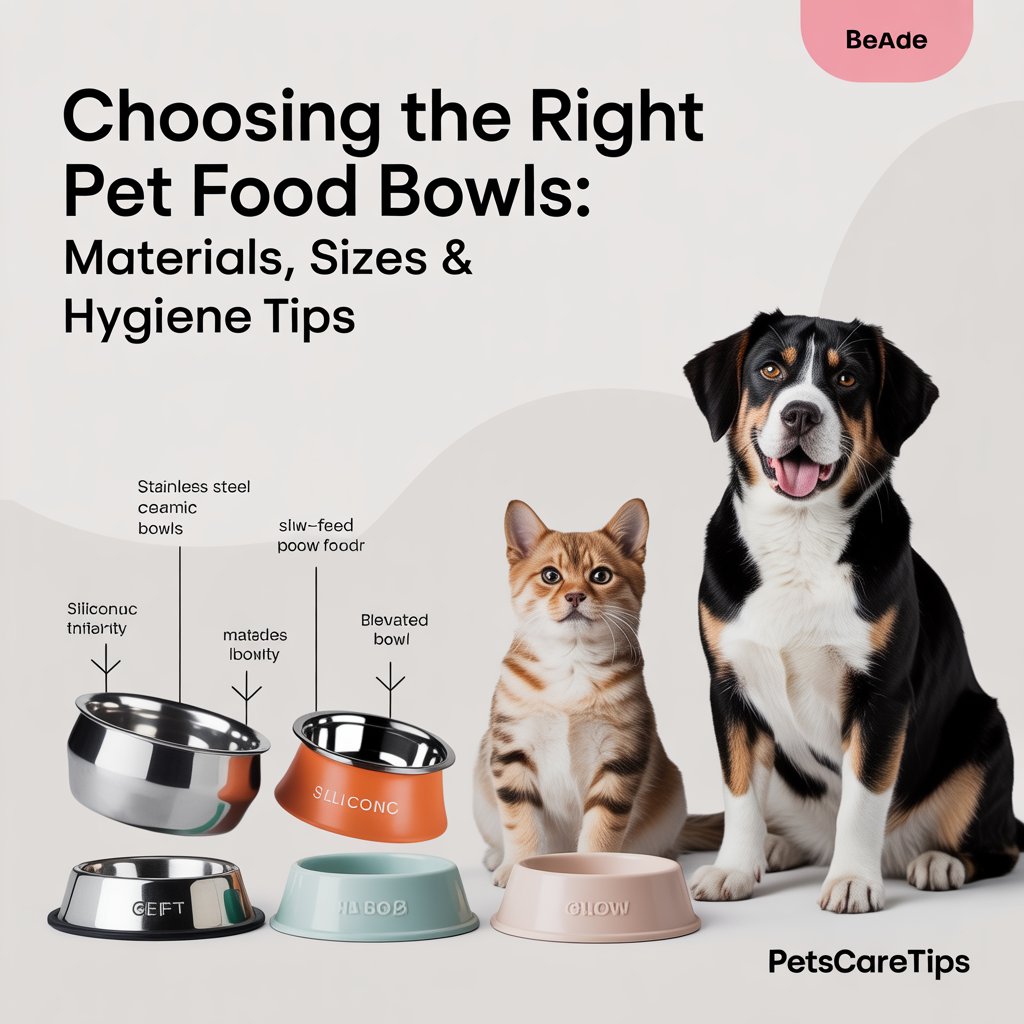
Feeding time is one of the most important moments of the day for your pet. But many owners focus only on the type of food—while the food bowl itself plays a major role in hygiene, comfort, digestion, and overall health. From the material of the bowl to its size, shape, and height, every detail matters.
This complete guide will help you choose the best pet food bowl for your dog or cat based on safety, durability, hygiene, and daily convenience.
1. Why Choosing the Right Food Bowl Matters
A food bowl may look like a simple accessory, but it impacts many parts of your pet’s life, including:
- Cleanliness – Poor materials can hold bacteria.
- Health – The wrong height can cause neck strain.
- Comfort – Proper bowl size helps slow down fast eaters.
- Safety – Some materials can chip, break, or even be toxic.
- Longevity – Durable options last longer and resist odor buildup.
Using the right bowl ensures a safe and enjoyable eating experience for your pet.
2. Best Materials for Pet Food Bowls
Different materials offer different benefits. Here’s a complete breakdown.
A. Stainless Steel Bowls – The Safest Choice
If you ask most vets, they’ll recommend stainless steel first. It’s durable, rust-free, non-porous, and very hygienic.
Benefits
- Doesn’t absorb odors
- Very easy to clean
- Long-lasting
- Resistant to scratches
- Safe for both dogs and cats
- Ideal for wet and dry food
Best For
All breeds—especially messy eaters or pets with allergies.
B. Ceramic Bowls – Stylish & Heavy
Ceramic bowls often come in beautiful designs and are weighted, preventing sliding.
Benefits
- Attractive and customizable
- Heavy enough to stay in place
- Dishwasher-safe
- Smooth, non-porous surface
Things to Watch
- Can chip or crack
- Must ensure the glaze is lead-free
Best For
Calm eaters and pet owners who prefer stylish bowls.
C. Plastic Bowls – Lightweight, But Not Ideal
Plastic bowls are inexpensive and widely available, but they’re not always safe.
Possible Issues
- Can develop scratches
- Scratches trap bacteria
- Some plastics may cause allergies
- Odors stick over time
Best For
Temporary use, travel bowls, or budget situations.
D. Silicone Bowls – Great for Travel
Silicone bowls are flexible, foldable, and lightweight.
Benefits
- Portable
- Easy to wash
- Great for outdoor activities
Best For
Owners who travel, hike, or take pets on daily walks.
3. What Bowl Size Should You Choose?
Choosing the correct bowl size helps your pet eat comfortably and safely.
A. Small Pets
Best for:
- Cats
- Puppies
- Toy dog breeds
- Rabbits / small animals
Ideal Size:
Shallow, wide bowls to prevent whisker fatigue (especially for cats).
B. Medium Dogs
Breeds like Beagles, Corgis, and Bulldogs need bowls that hold enough food without being deep.
Ideal Size:
Medium-depth bowl with non-slip base.
C. Large Dogs
Large breeds require bigger bowls that allow easy movement of the head and neck.
Ideal Size:
Wide, deep bowls with weighted or elevated stands.
4. Special Types of Bowls & Their Benefits
In addition to standard bowls, there are specialty designs that support specific eating behaviors.
A. Slow Feeder Bowls
Made for pets who eat too fast.
Benefits
- Reduces risk of choking
- Prevents digestive issues
- Helps manage weight
- Encourages slower, healthier eating
Great for Labradors, Beagles, and any dog or cat that gulps food quickly.
B. Elevated Bowls
Raised bowls reduce the amount of bending your pet must do.
Benefits
- Supports joint comfort
- Helps older pets with arthritis
- Aids large breeds
- Reduces mess around the feeding area
C. Automatic Pet Feeders
Smart feeders dispense food at scheduled times.
Benefits
- Consistent feeding routine
- Portion control
- Perfect for busy owners
- Great for weight management
D. Double Bowls
Two-in-one bowls for food and water.
Benefits
- Saves space
- Keeps everything tidy
- Perfect for smaller pets
5. Hygiene Tips: Keep Your Pet’s Bowl Clean & Safe
Hygiene is extremely important because food and water bowls can harbor bacteria—especially salmonella and E. coli.
Here are simple and effective hygiene tips:
A. Wash Daily
- Food bowls: Wash after every meal or at least once a day
- Water bowls: Change water twice daily
Use warm, soapy water or a dishwasher (if bowl material allows).
B. Avoid Old Plastic
Scratched plastic can trap bacteria and cause chin acne in cats.
C. Deep Clean Weekly
Sanitize bowls once a week by:
- Soaking in vinegar
- Using pet-safe disinfectants
- Running through dishwasher on hot cycle
D. Keep the Feeding Area Clean
Wipe the floor around the bowls regularly and avoid placing them too close to litter boxes.
E. Check for Damage
Replace bowls that are:
- Cracked
- Chipped
- Warped
- Rusty
These can injure pets or contaminate food.
6. How to Choose the Right Bowl for Your Pet
When selecting the ideal bowl, consider the following factors:
A. Your Pet’s Breed & Size
- Small pets need shallow bowls
- Large dogs need bigger or elevated bowls
- Short-nosed breeds (pugs, bulldogs) need angled or wide bowls
B. Eating Style
- Fast eaters → slow feeder
- Messy eaters → weighted bowl
- Grazers → shallow dishes
C. Material Preference
For hygiene and durability, stainless steel is the best choice.
D. Your Home Setup
Choose bowls that match:
- Feeding area space
- Flooring (non-slip base recommended)
- Your cleaning habits
E. Medical Needs
Pets with arthritis, cervical pain, or joint issues benefit from elevated bowls.
7. Common Mistakes Pet Owners Make with Bowls
Avoid these mistakes for better health and hygiene:
❌ Never washing bowls regularly
❌ Using old scratched plastic
❌ Choosing a bowl too deep for cats
❌ Filling water once a day instead of refreshing
❌ Letting algae grow in water bowls
❌ Using bowls that slide around
❌ Ignoring material safety
Being aware of these helps ensure a safer feeding routine.
8. Best Recommendations for 2025
Here’s a quick summary of the top choices:
- Best overall: Stainless steel bowl
- Best for fast eaters: Slow feeder bowl
- Best for large dogs: Elevated bowl
- Best for travel: Silicone foldable bowl
- Best for style lovers: Ceramic bowls
- Best for convenience: Automatic smart feeder
Final Thoughts
Choosing the right pet food bowl is more important than many owners realize. The right material, size, and design can significantly improve your pet’s hygiene, comfort, and overall well-being. Whether you own a kitten, adult dog, senior cat, or energetic puppy, the perfect bowl can make feeding safer and easier.
A clean, well-chosen bowl supports:
✔ Better digestion
✔ Healthy eating habits
✔ Improved hygiene
✔ More comfort during meals
Investing in a high-quality bowl is a simple step that brings long-term benefits for your pet’s health.
Comment here