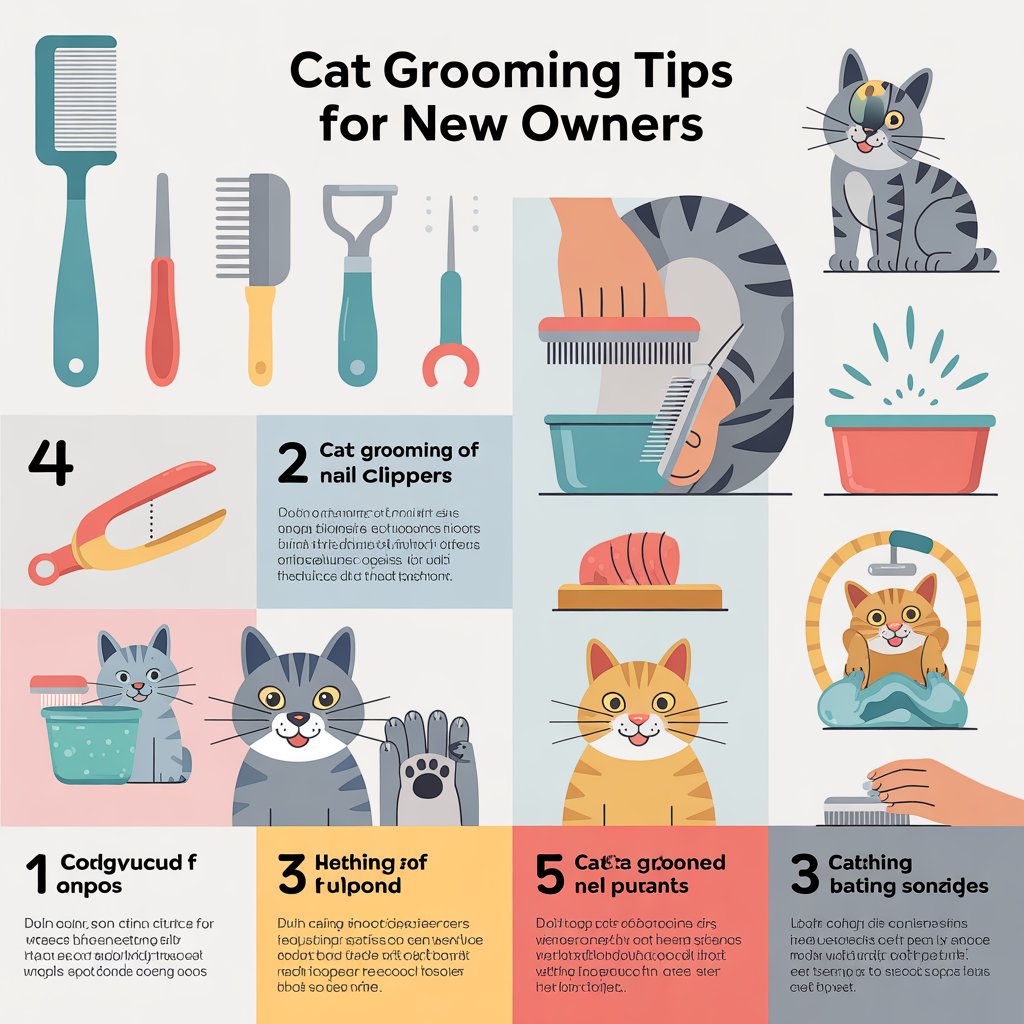
Grooming a cat may seem simple, but for new owners, it can feel confusing—especially when you aren’t sure what your cat likes or dislikes. Proper grooming not only keeps your cat clean and beautiful but also protects its health, reduces stress, prevents infections, and strengthens your bond. Whether you’ve adopted a kitten or an adult cat, learning the right grooming routine from the start will make a huge difference. This guide provides complete, beginner-friendly, SEO-optimized tips to help you groom your cat safely and effectively.
1. Understand Your Cat’s Coat Type
Not all cats have the same grooming needs. Understanding your cat’s coat type helps you choose the right tools and set the right routine.
Short-Haired Cats
These cats shed less and require minimal grooming. Brushing 2–3 times a week is usually enough to remove loose hair and maintain a shiny coat.
Long-Haired Cats
Breeds like Persians, Maine Coons, Ragdolls, and Himalayans need more attention. They require brushing daily to prevent mats, tangles, and hairballs.
Double-Coated Cats
Cats with thick undercoats, such as Siberians, shed in cycles and need deep brushing during shedding seasons.
Understanding the coat type helps you choose proper tools and prevents grooming mistakes that stress your cat.
2. Choose the Right Grooming Tools
Using the wrong tools can hurt your cat or damage its fur. Here are safe tools every new cat owner should have:
Slicker Brush
Helps remove loose fur, dirt, and small knots gently.
Wide-Tooth Comb
Perfect for long-haired cats to prevent tangles deep in the coat.
Flea Comb
Useful for detecting fleas early and removing their eggs.
Nail Clipper
Choose a clipper specifically made for cats so you don’t injure the nail quick.
Soft Grooming Gloves
Great for kittens or cats who get scared of brushes.
Pet Wipes
Use them to clean paws, face, or fur in between baths.
Investing in the right tools makes grooming faster, easier, and stress-free.
3. Train Your Cat Slowly
Cats don’t naturally enjoy grooming at first. To make grooming easy, train your cat using positive reinforcement.
Start with Short Sessions
Begin with 2–3 minute sessions. Gradually increase the time as your cat becomes comfortable.
Let Your Cat Smell the Tools
Allow your cat to sniff the brush or comb before using it. This reduces fear and builds trust.
Use Rewards
Offer treats, gentle praise, or petting during grooming. It creates a positive association.
Never Force
If your cat becomes stressed—growling, swishing tail, or trying to escape—stop immediately and continue later.
Patience is key for smooth long-term grooming.
4. Brushing Your Cat the Right Way
Proper brushing helps prevent shedding, mats, and hairballs.
Basic Brushing Steps
- Start with gentle strokes on the back and sides.
- Move to the neck, chest, and belly carefully.
- Use a comb for the tail—very gently.
- For long-haired cats, separate fur into sections to check for knots.
Tips for Knot Removal
- Use your fingers to loosen knots before brushing.
- Never pull aggressively; it causes pain.
- For severe mats, visit a groomer.
Regular brushing also helps distribute natural oils, keeping your cat’s coat shiny and healthy.
5. Bathing Your Cat Safely
Most cats groom themselves, so baths are rarely needed. However, sometimes a bath helps—especially if your cat has fleas, sticky dirt, or a skin issue.
Safe Bathing Tips
- Use cat-specific shampoo only.
- Avoid getting water in the ears and eyes.
- Use lukewarm water.
- Keep baths short and calm.
How Often to Bathe
- Short-haired cats: once every 2–3 months
- Long-haired cats: once every 1–2 months
- Outdoor cats: more often if needed
- Indoor cats: only when necessary
Never over-bathe; it dries out the skin and damages the coat.
6. Nail Care for New Owners
Long nails can cause pain, scratching injuries, and damaged furniture.
How to Trim Your Cat’s Nails
- Hold your cat gently in your lap.
- Press the paw to extend the nails.
- Trim only the white tip, avoiding the pink quick.
- Use small snips, not large cuts.
If your cat resists, trim only 1–2 nails at a time and finish later.
7. Cleaning Ears and Eyes
Cats can develop infections if their ears or eyes are not cleaned properly.
Ear Cleaning
- Use a vet-approved ear cleaning solution.
- Apply a few drops, massage gently, and wipe with a cotton pad.
- Never use cotton buds inside the ear canal.
Eye Cleaning
- Use a soft wipe to remove tear stains.
- If eyes look red or watery, visit a vet.
Regular cleaning reduces infection risks and keeps your cat comfortable.
8. Dental Care
Dental issues are extremely common in cats. Ignoring oral hygiene can lead to gum disease, infection, or tooth loss.
To Keep Teeth Healthy
- Brush teeth with a cat-safe toothpaste.
- Offer dental treats or chew toys.
- Schedule yearly vet dental checkups.
A clean mouth improves your cat’s overall health and prevents long-term problems.
9. Reduce Shedding and Hairballs
Hairballs are common, especially in long-haired cats. You can reduce them with proper grooming.
Tips to Prevent Hairballs
- Brush your cat daily.
- Add fiber to your cat’s diet.
- Ensure proper hydration.
- Use vet-approved hairball control gels.
A clean coat and healthy diet reduce shedding significantly.
10. Create a Calm Grooming Environment
Cats groom better when they feel safe.
Make Grooming Comfortable
- Choose a quiet room.
- Groom when your cat is relaxed—after meals or naps.
- Keep noise, sudden movements, and distractions away.
If grooming becomes stressful, pause and resume later.
11. When to See a Professional Groomer
Some situations need expert help:
- Severe matting
- Aggressive behavior during grooming
- Skin allergies
- Nail trimming difficulties
- Long-haired cats with dense coats
Professional grooming ensures safety and prevents injury.
12. Keep Your Cat Healthy With Routine Vet Checkups
A healthy cat is easier to groom. Regular vet visits help detect early signs of:
- Skin problems
- Parasites
- Allergies
- Infections
- Dental issues
Healthy skin and coat make grooming smooth and stress-free.
Final Thoughts
Grooming is an essential part of cat care, especially for new owners. With the right tools, gentle techniques, and patience, your cat will remain clean, healthy, and happy. Regular grooming also helps strengthen your bond and gives you a chance to check your cat for early health issues. Start slowly, be consistent, and always make grooming a positive experience.
Comment here